
If your water is too acidic (below 6.5), it can start eating away at your plumbing. Copper pipes get pinhole leaks, lead from old solder can leach into your glass, and suddenly your “refreshing drink” is a metal cocktail. Not cute. Side note: If you have old pipes, please test your water. Your future self will thank you.
Too basic (above 8.5) and you get scale buildup—that white crust on your faucets and coffee maker. It’s not just ugly; it ruins appliances. I’m looking at you, $400 espresso machine that choked on calcium. pH literally costs you money.
Your body’s internal dance
Here’s where it gets personal. Your blood sits at a strict 7.35–7.45 pH—your body will kill you to keep it there. But your stomach? It’s a vat of acid (pH 1.5–3.5) on purpose, to digest food. Drinking water won’t change your blood pH, but it can help or mess with your digestion.
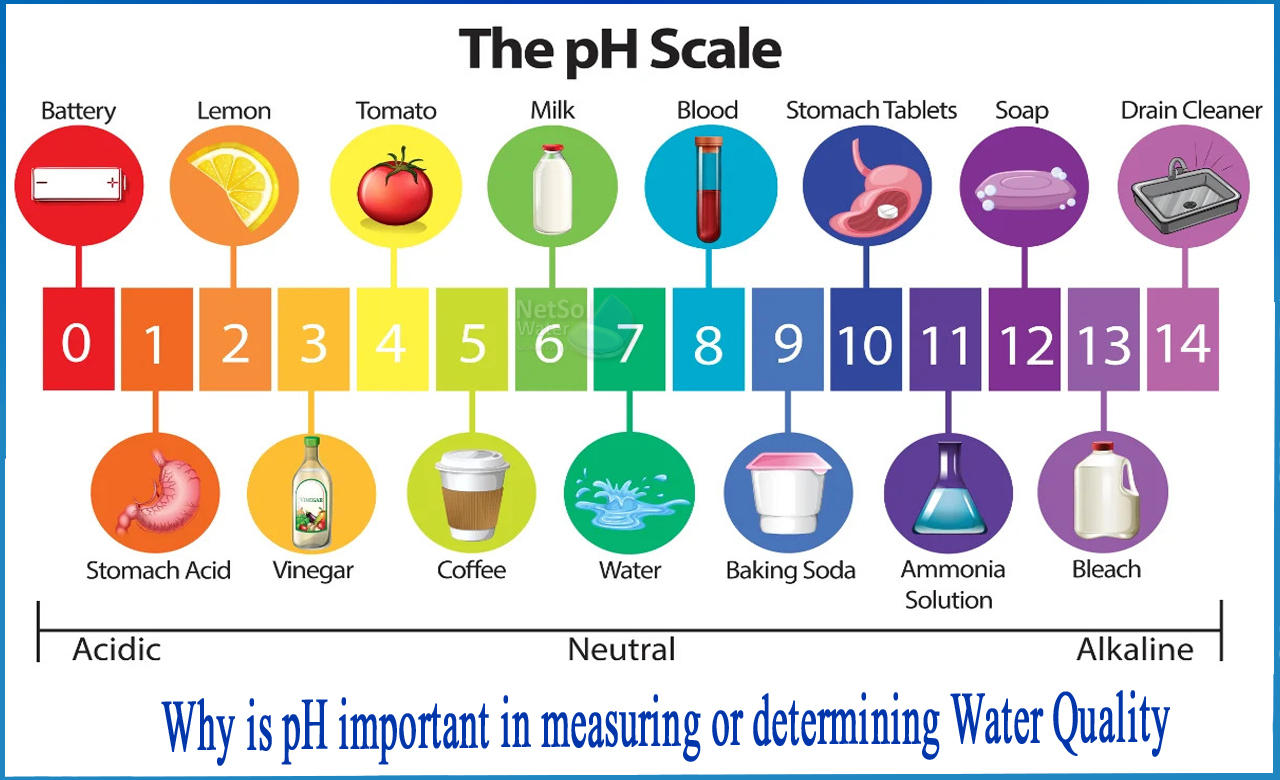 Why is pH important in measuring or determining water quality
Low pH water can aggravate acid reflux—imagine pouring vinegar on a wound, but in your esophagus. Meanwhile, high pH (alkaline) water is marketed as a cure-all. Spoiler: It’s mostly hype. Your stomach just neutralizes it with more acid, so you’re peeing out expensive water. But if you have a sensitive gut, slightly alkaline water (pH 8–9) might soothe things a bit. I’m not a doctor, but a stomach that doesn’t hate you is worth a shot.

