
Another key feature of a mineral is its crystal structure—atoms arranged in a repeating, orderly pattern. Ice does this beautifully: water molecules lock into a hexagonal lattice when frozen. But liquid water? Its molecules are chaotic, constantly breaking and reforming hydrogen bonds. It’s like a dance floor where everyone moves randomly, versus a perfectly choreographed ballet. No structure equals no mineral status.
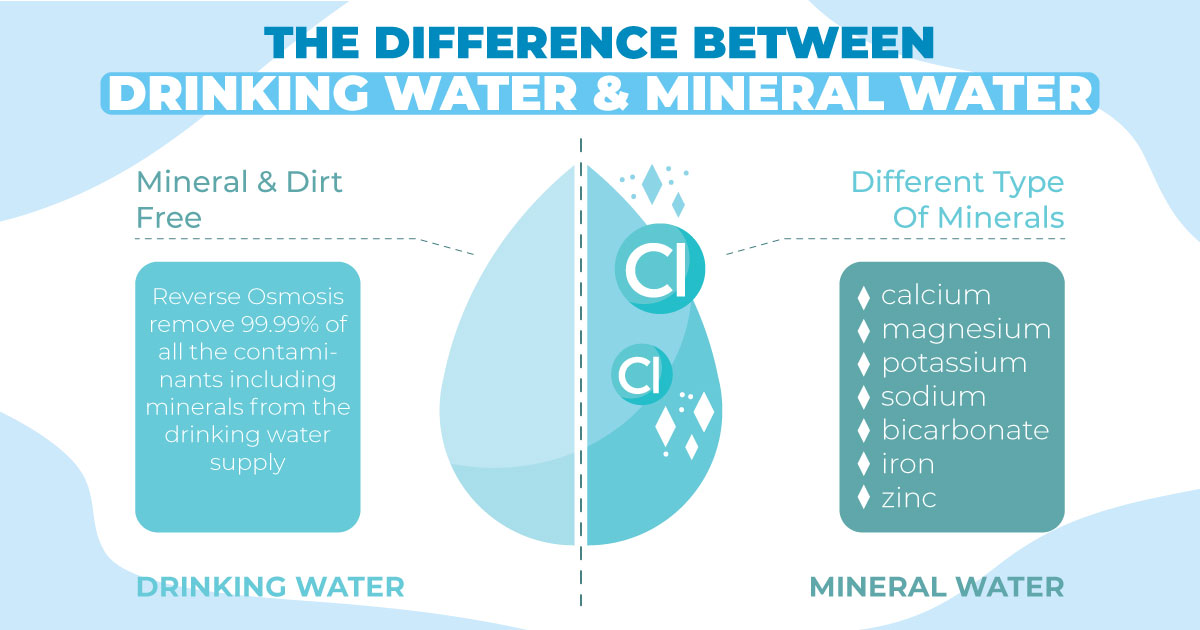 Difference between Mineral Water & Drinking Water
The same goes for water vapor—gaseous water is even more chaotic. So, unless you’re in a deep freezer or on Pluto, you’re not dealing with a mineral. (Side note: I’m now picturing Pluto’s ice as a proud, solid mineral—there’s a fun trivia fact for your next party.)
The Sneaky Exception: Ice
Here’s where it gets a bit ironic. If you wait for winter and scoop up a snowflake, congratulations—you’re holding a mineral. Ice is a mineral, plain and simple. It’s naturally occurring, solid, inorganic, has a definite composition (H₂O), and a hexagonal crystal structure. But melt that snowflake in your hand, and it instantly stops being a mineral. It’s now just water—a liquid that geologists affectionately call a “mineraloid.”
So, the next time someone boasts about their bottled “mineral water,” you can gently correct them: “Actually, that’s water that contains minerals. The real mineral in your life is the ice cube in your glass.” They might look at you funny, but you’ll know the truth.
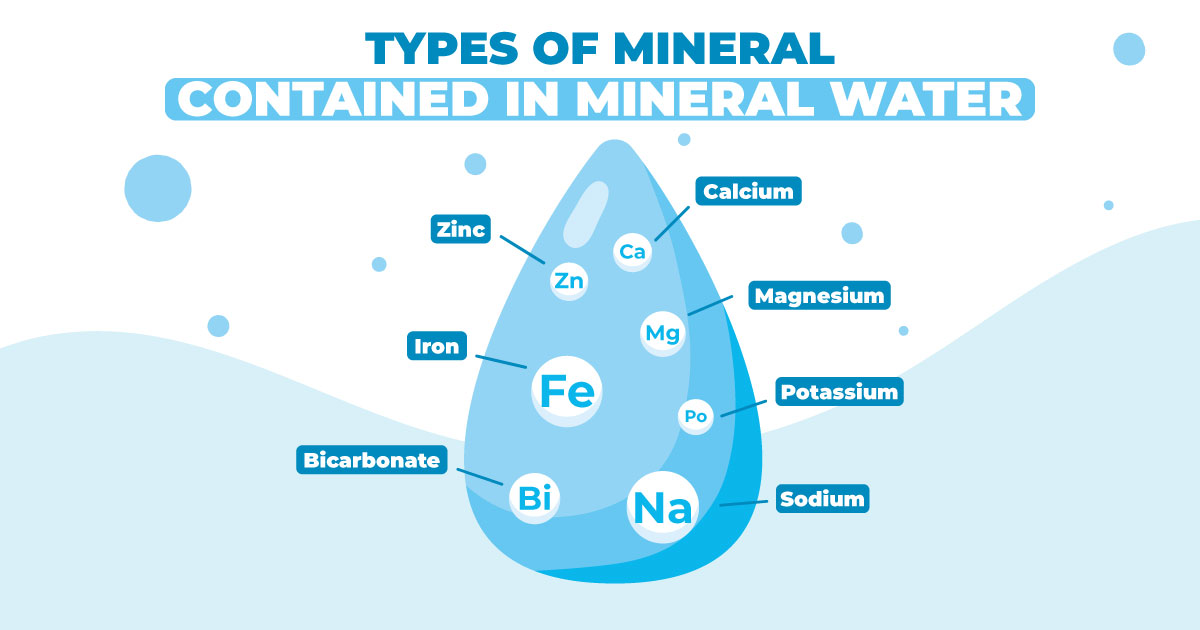 Difference between Mineral Water & Drinking Water

