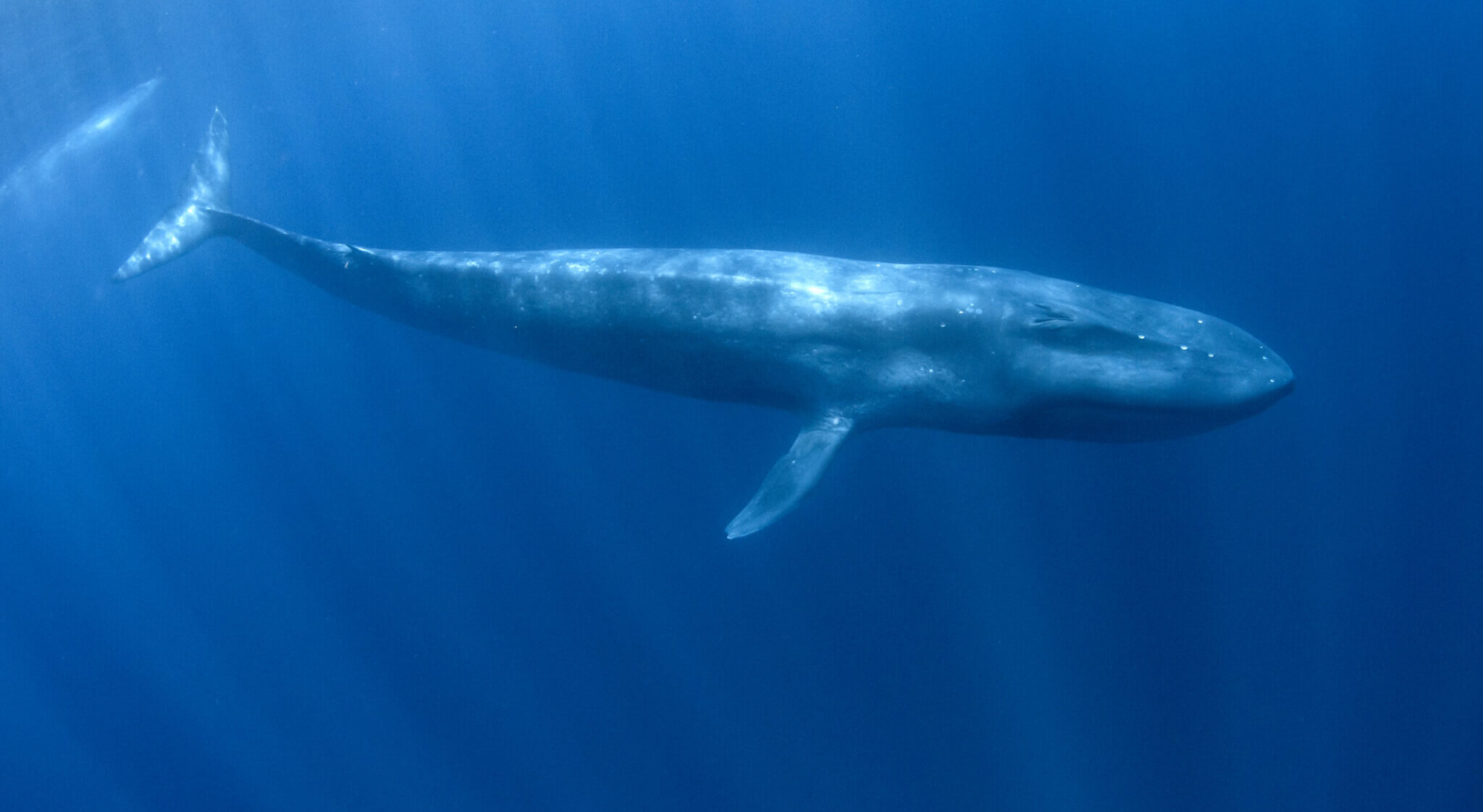
Here’s the cool and interesting twist: they’re actually making a comeback. Slowly. The population has grown from a low of maybe 400 individuals in the 1960s to about 10,000–25,000 today. That’s still a tiny number for a global species, but it’s a sign that when we stop being idiots, nature can bounce back.
Countries now have speed limits for ships in whale habitats, and there are whale-safe shipping lanes. Conservation groups track them with satellite tags, just like you track your lost phone. We’re finally treating them like the celebrities of the sea they actually are.
Here’s the thing to remember:
Blue whales don’t need us to survive. They just need us to stop accidentally harming them. It’s a weird relationship—we’re both the problem and the solution. And honestly, it’s kind of magical that the largest creature in Earth’s history still swims in our oceans. Next time you’re at the beach, take a moment to imagine a 100-foot-long whale gliding beneath the waves. That’s worth protecting, isn’t it?
So yeah, they’re endangered because of hunting, ships, noise, and climate change. But with a little help (and a lot of quiet), these gentle giants might just stick around. Let’s hope we’re smart enough to let them.