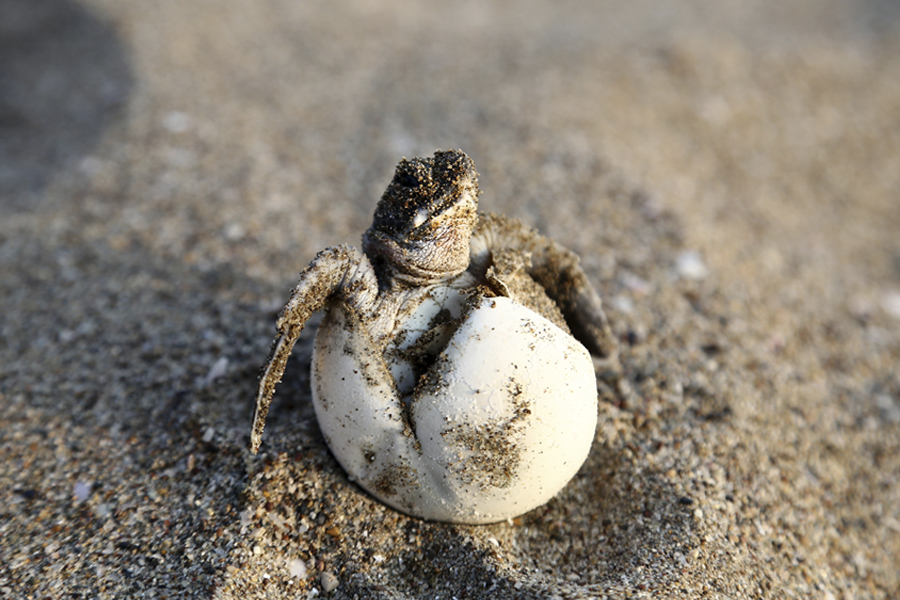
For most sea turtles, hatching season runs from late summer into early autumn. Think August through October, depending on where you are in the world. But here’s the kicker: momma turtle lays her eggs, buries them, and never comes back. The babies are entirely on their own from the moment they break the shell.
That means the hatch is a carefully timed, wild biological event. It’s not a show you can book tickets for six months in advance. You have to pay attention to the rhythms of the beach.
The Secret Recipe: Moonlight + Sand Temperature
Here’s the science bit, and it’s cooler than it sounds. The temperature of the sand actually determines the gender of the turtles. Warmer sand produces more females; cooler sand produces more males. No joke—global warming is literally shifting the balance of power on nesting beaches.
Then comes the grand finale: the hatch. Baby turtles use a temporary egg tooth to break free, then collectively dig their way up through the sand. They wait, sensing the cool night air as a signal that the sun has set. Then, they make a mad dash for the brightest horizon—which, on a natural beach, is the moonlight reflecting off the ocean.
That’s why bright beachfront lights are so dangerous. They confuse the little guys, sending them toward parking lots instead of the sea. So, if you want to see a hatch, you need a dark beach.