Cheesecake is essentially a custard, and custards hate drama. At temperatures above 350°F, the proteins in the eggs tighten up like a stressed-out shoelace, creating cracks. 325°F lets the eggs relax and the cream cheese stay luxuriously smooth.
Think of it as a slow dance. You want the center to jiggle like Jell-O when you shake the pan, not be firm like a brick. That jiggle is your green light—it means the edges are set, but the heart is still silky.
Your Oven’s Personality Test
Every oven lies. Yes, yours too. The temperature you dial in might be 25°F off, so invest in an inexpensive oven thermometer for truth. Accuracy matters more than ego here.
Pro tip: place a pan of hot water on the rack below your cheesecake. The steam creates a humid environment that prevents the top from drying out. It’s like giving your dessert a spa day—no cracks, just glow.
The Water Bath Dance
You’ve heard of the water bath, but do you respect it? Wrap your springform pan in two layers of heavy-duty foil before submerging it in a larger pan filled with hot tap water. This is non-negotiable—skip the foil, and you’ll have a soggy crust.
Bake at 325°F for about 50–60 minutes for a standard 9-inch cheesecake. The edges should look dry, but the center should still wobble like a nervous jellyfish. That’s perfection.
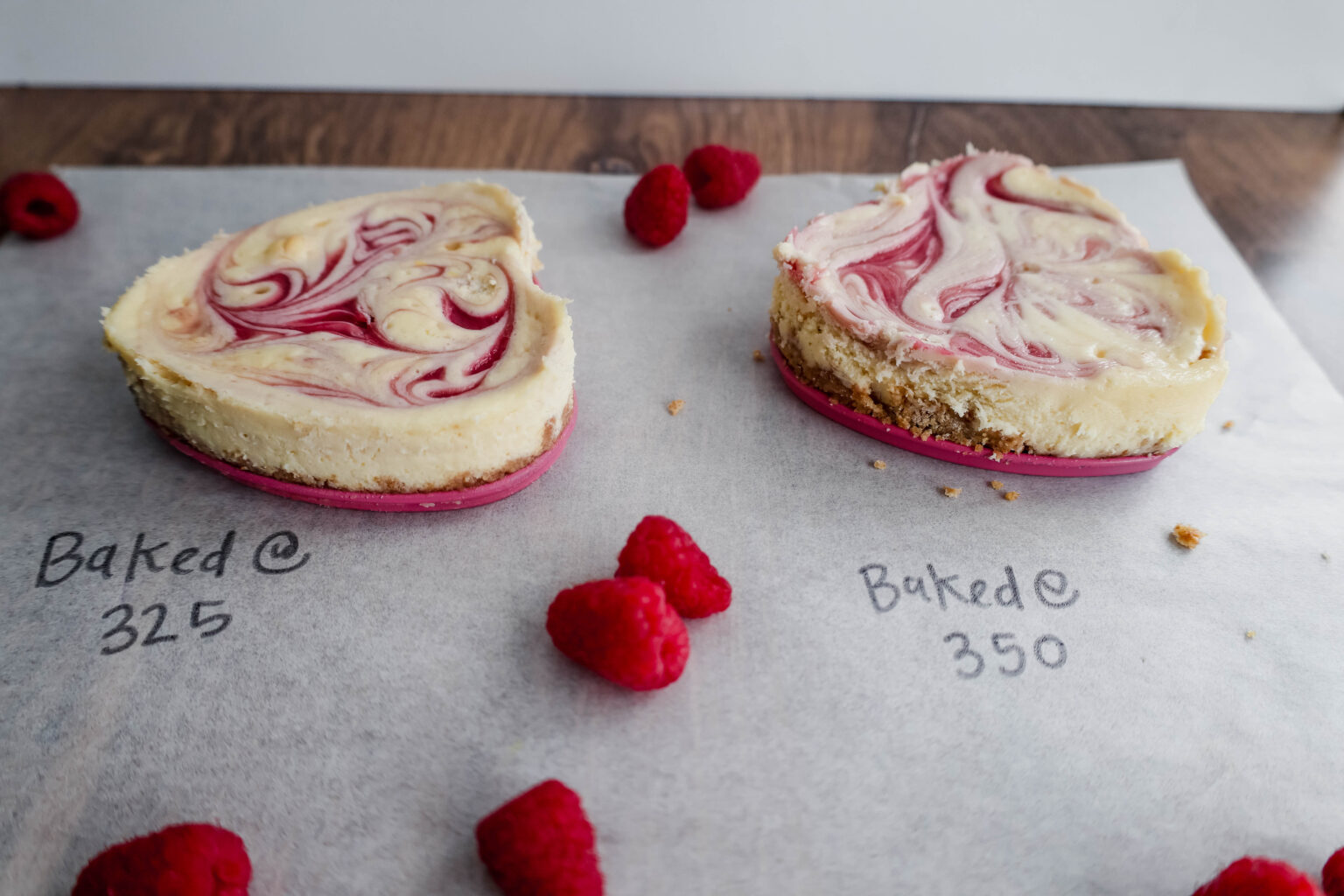 The Ideal Cheesecake Temperature & How to Avoid Cracks