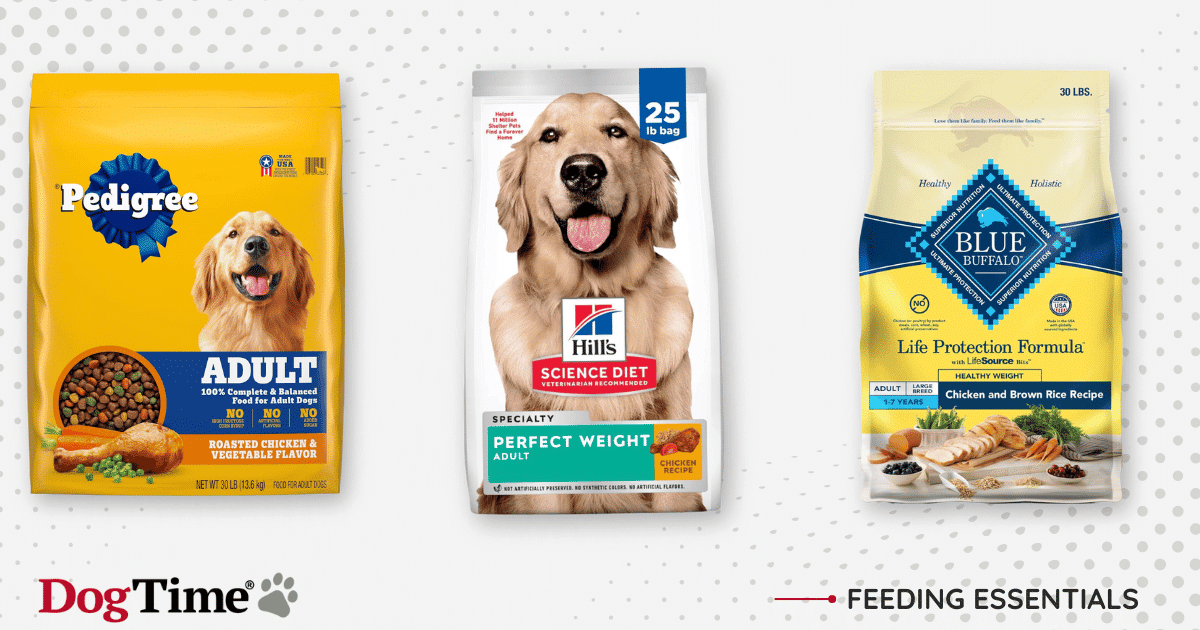
Look for a food with a named protein source first (like “chicken” or “salmon”)—not “meat meal” from some mystery animal. Then check the crude fat; something between 12% and 18% is perfect for most healthy dogs. Too low and they’ll be begging for snacks. Too high and they’ll become a farting machine with a greasy coat.
But here’s the real kicker: price doesn’t always equal quality. I once bought a thirty-dollar bag of “artisan, small-batch” kibble that looked like rabbit turds. My dog, a golden retriever named Gus, stared at it, then at me, then slowly walked away. Meanwhile, a cheap bag of Costco’s Kirkland brand? He chowed it down like it was filet mignon.
That’s the thing: dogs are not food snobs. They don’t care about “free-range” or “non-GMO.” They care about crunchy, tasty, and “does it come with a treat later?” So don’t let marketing guilt you into a mortgage payment for kibble.
 7 Animals With Paws: a Fascinating Look - A Place for Animals
The “Sniff and Sneeze” Factor
Open the bag. Does it smell like rancid oil? Or like, food? Some expensive brands smell like soggy cardboard, while cheaper ones smell legitimately appetizing (to a dog, anyway). If you wouldn’t eat a cracker of it, your dog probably feels the same way.
Also, watch for the sneeze test. If your dog inhales the kibble and then sneezes like a cartoon character, that’s fine—it’s a texture thing. But if he refuses to go near the bowl, you’ve got a problem. I once left a bag of “prescription diet” open for three months. Even the ants abandoned it.

