
Meet Sarah. She works part-time at a bookstore and earns about £10,000 a year. She loves buying plants for her flat—every leaf is a victory. Because her income is below the tax-free allowance, every penny of her wages is hers to spend on succulents or sushi. No tax deducted. She’s living the dream, tax-free.
Now meet Tom. Tom is a graphic designer who earns £30,000. His allowance means he pays tax only on £17,430 of his income. That £12,570 buffer? It’s like a rainy-day umbrella—keeping the downpour of tax off his head. He uses the savings to fund his weekend guitar lessons. Rock on, Tom.
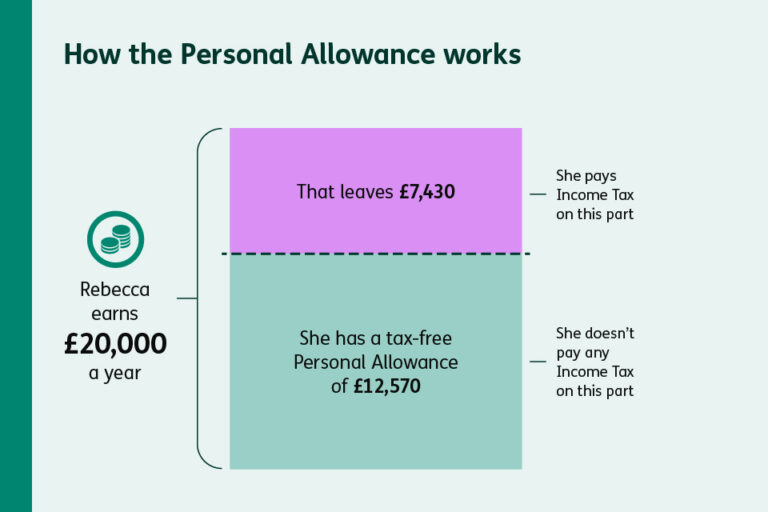 What is a Tax-Free Personal Allowance? - Tax Confident
But wait—does it apply to everything?
Here’s the tricky bit: the tax-free allowance mostly covers your main job or pension income. If you have a side hustle, like selling vintage lamps on Etsy or walking dogs on Sunday mornings, that income is taxed separately (usually £1,000 tax-free under the trading allowance). So don’t panic—just keep your lamp-selling to a sensible level, and you’re golden.
Also, if you earn over £100,000, the allowance starts to shrink. For every £2 you earn above that, your allowance drops by £1. It’s a bit like a slowly deflating balloon—still fun, but less floaty. Most of us won’t need to worry about that, though.

