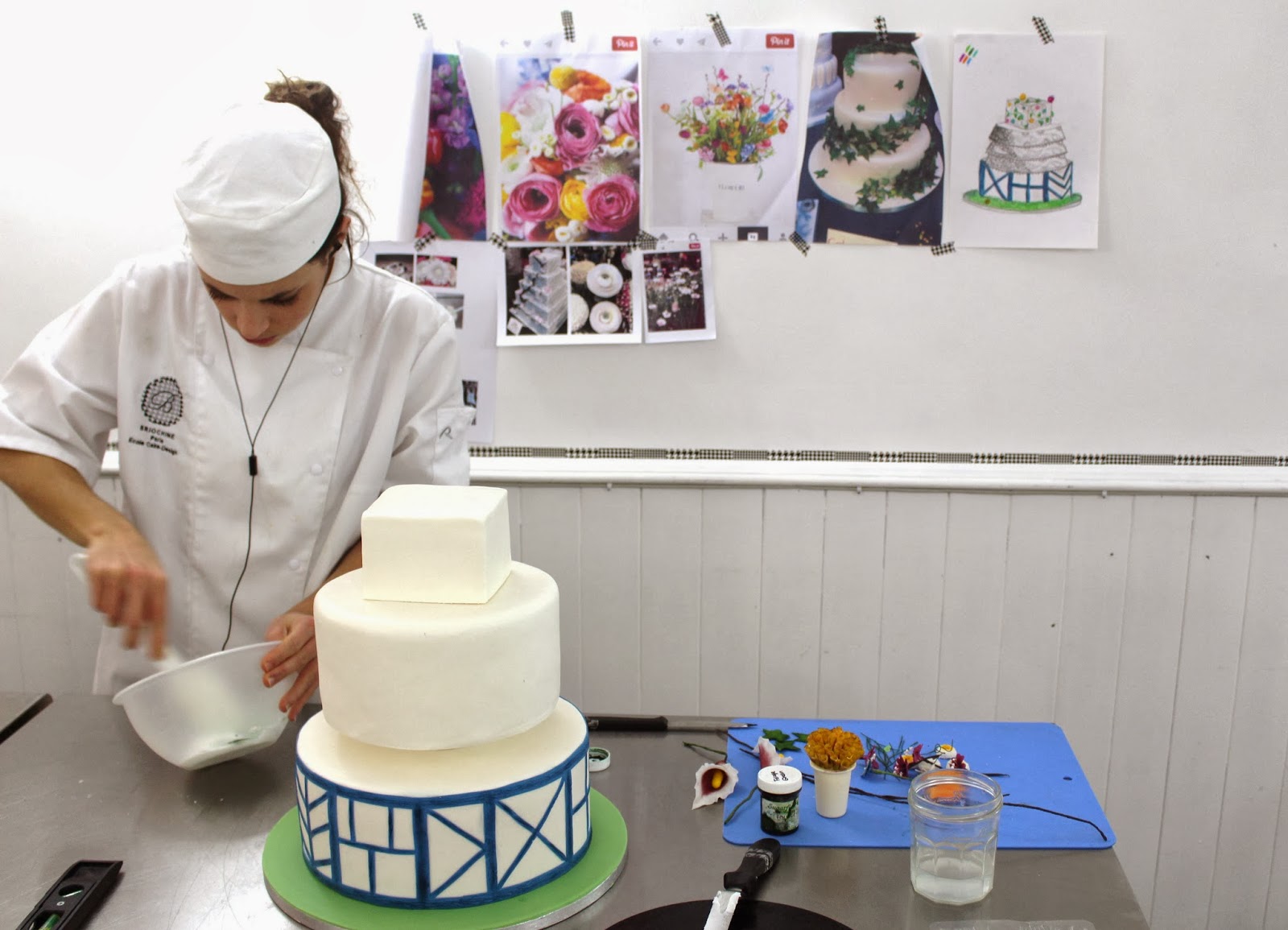
Before a single egg is cracked, the real work begins. A cake designer spends a huge chunk of their time consulting with clients. This isn’t just about flavor; it’s about vision. They ask questions like, “What’s the vibe of your wedding?” or “Is this for a five-year-old who loves dinosaurs or a CEO who loves minimalism?”
They sketch, they mood-board, and they problem-solve. Can that delicate lace pattern support a five-tier tower? Will that giant sugar topper survive a humid August afternoon? This phase is pure architecture. Every design is a structural puzzle waiting to be solved.
Fun fact: many professional cake designers use actual architectural software like AutoCAD to plan internal supports. A forty-pound cake needs the same engineering as a small building. No pressure.
The Bake-Off: Science Meets Art
Here’s where the magic meets the messy. The designer bakes multiple layers, often in different sizes and flavors, from classic vanilla bean to Earl Grey lavender. But the real skill is scaling. A recipe for a single layer of cake doesn’t just multiply by ten for a giant one—oven times, temperatures, and ingredient ratios all shift.
Once baked, the cake gets a crumb coat—a thin layer of frosting that traps all the little loose bits. Then comes the chilling. Then another layer of buttercream. Then another chill. This process can take two full days before any decorative work even starts.
A common misconception? That fondant tastes great. In reality, most designers will tell you it’s a necessary evil for smooth finishes. The best ones use it sparingly and focus on making the actual cake inside a showstopper of flavor.

