
Enter vanilla powder, the quiet overachiever. Made from ground, dried vanilla beans (sometimes mixed with a little sugar or starch), it’s basically vanilla’s powdered-sugar cousin. No alcohol, no fuss, just pure, concentrated bean vibes.
Why would you choose powder? Because heat doesn’t bully it. While alcohol-based extract can fade in high temps (say, a 350°F oven), vanilla powder holds its ground like a tiny, aromatic soldier. It’s also a dream for no-bake desserts—think whipped cream, frostings, or cold drinks where alcohol might mess with the texture.
And here’s a fun fact: vanilla powder doesn’t have that boozy kick. So if you’re baking for kids, a recovering friend, or just someone who hates the taste of alcohol, powder is your secret weapon. Plus, it gives a gorgeous speckled look to white frosting—very fancy, very Instagrammable.
The Showdown: When to Use What
Let’s get tactical. Use vanilla extract for recipes where liquid is your friend—cakes, muffins, pancakes, or anything that can handle a splash of moisture. It blends seamlessly, and that alcohol helps carry flavor into the fat (butter, eggs, you name it).
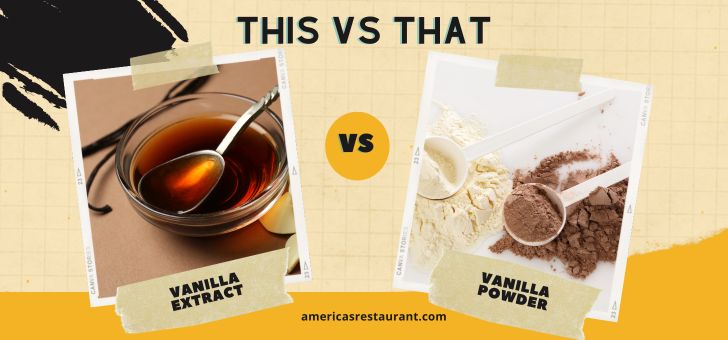 Vanilla Extract vs Vanilla Powder: What's the Difference? 2026
Reach for vanilla powder when you want the flavor but don’t want to alter the liquid ratio. Think: dry rubs for meat (yes, vanilla on steak is a thing, don’t knock it till you try it), homemade granola, or sugar scrubs. It’s also clutch in recipes with delicate textures, like meringues or macarons, where even a drop of liquid can spell disaster.
One more trick: use powder to amp up extract. Add a tiny pinch of powder to your extract in a cookie dough, and suddenly it tastes like a vanilla bean exploded in your mouth. Science? Magic? Both. I don’t make the rules.
Cost, Shelf Life, and Other Boring but Useful Stuff
Real talk: vanilla powder is pricier than extract. Like, “why does this tiny jar cost as much as a pizza?” pricier. But it lasts forever (years!) if stored in a cool, dark place, so you’re investing in future baking brags.
Extract, on the other hand, is cheaper but has a shelf life of about 3-5 years. And don’t even get me started on the “homemade extract” trend—you soak beans in vodka for months, and it smells like a bar fight. Stick to store-bought unless you’re a mad scientist.
Oh, and never confuse vanilla powder with “vanilla sugar” or “vanilla bean paste.” That paste is a whole other messy, delicious rabbit hole. We’ll save that for another chat—maybe over drinks.

