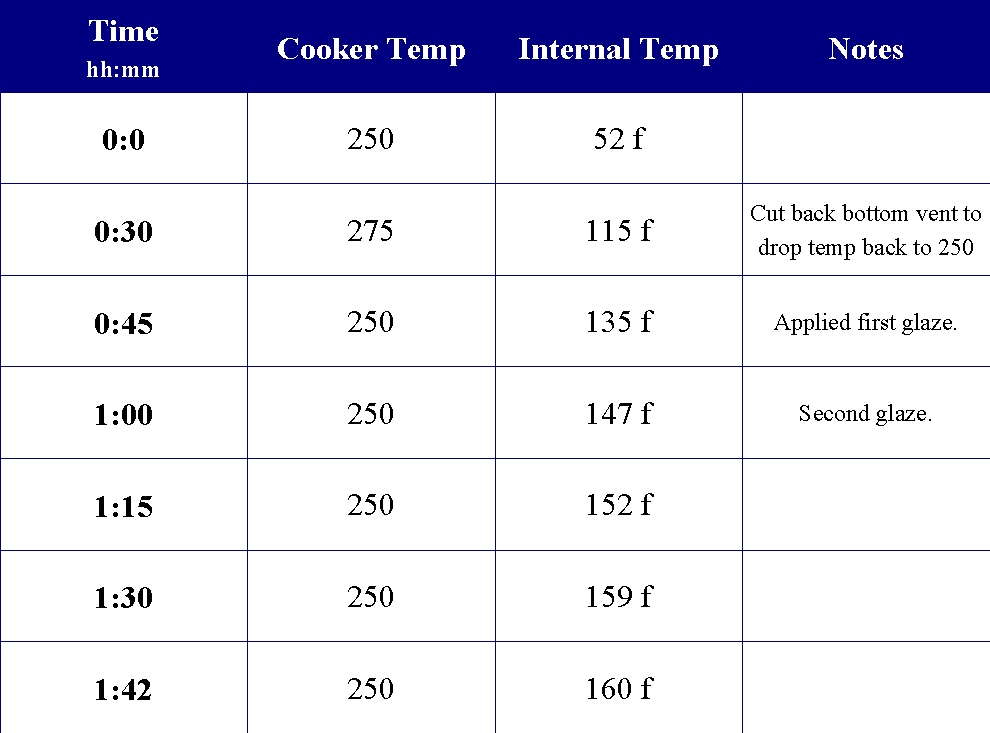
I once watched my uncle carve a turkey that was so dry it crunched. Crunch. On turkey. That’s a tragedy. He was so scared of undercooking it that he let it bake into a leathery shoe. The 165°F mark isn’t just about safety—it’s your guarantee of moisture, too.
Here’s the science bit, made simple: At 165°F, the heat has killed off any nasty bacteria like salmonella. But it’s also the point where the meat’s proteins haven’t squeezed out all their juices. It’s the sweet spot between “yikes” and “yum.”
Think of it like a hot bath. You want it warm enough to relax, but not so hot you turn into a lobster. Your turkey breast feels the same way—165°F is its perfect soak.
The Thermometer Is Your Best Friend
I know, I know—poking a thermometer into your dinner feels a little clinical. Like you’re performing surgery on your Sunday roast. But trust me, this is the only way to know for sure. Your eyes lie. That golden skin can trick you. A juicy pink spot can hide.
Buy a simple instant-read thermometer. They cost less than a fancy coffee. Insert it into the thickest part of the breast, avoiding the bone. When it reads 165°F, you’re done. High-five yourself. Pour a drink.
I have a friend who used to “check” by cutting a slit in the breast. Do not do that. That’s like checking if your cake is done by stabbing it ten times—you let all the steam and moisture escape. The thermometer respects the meat.
 What Temperature to Bake a Turkey Breast for Juicy, Tender Results

