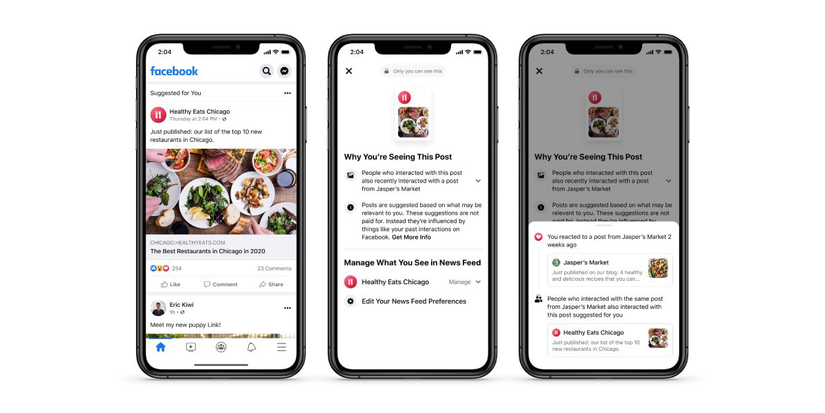
Not all suggested posts are evil. Some are genuinely useful. Like that time it showed me a post about a local mechanic who specializes in weird European cars. My 1999 Saab sent a thank-you note. Or when it suggested a group for people who love sourdough starters—my new virtual besties.
But then there’s the dark side. The “One Weird Trick” posts that make you feel like your grandma just got scammed. The grainy videos of a guy showing you how to “make $5,000 a day from your couch.” The life-hack videos where someone cuts a mango in a way that definitely doesn’t work in real life. You want to look away, but you can’t.
The worst offenders? “Sponsored Content” about weight loss or “get rich quick” schemes that somehow sneak past the filter. They’re dressed up as friendly advice, but they have the energy of a used car salesman with a fake mustache. Run. Just scroll right past them. Or better yet, click “See less of this.” It’s like telling a busybody to mind their business.
The Social Puppeteer
Here’s what really gets me: Suggested Posts aren’t just selling products—they’re selling identities. That post about minimalist living? It’s trying to sell you the dream of being a calm, organized person. That ad for a hardcore survival course? It’s telling you that you’re a hack who needs to toughen up. (Joke’s on them—I can’t even survive a cold draft.)
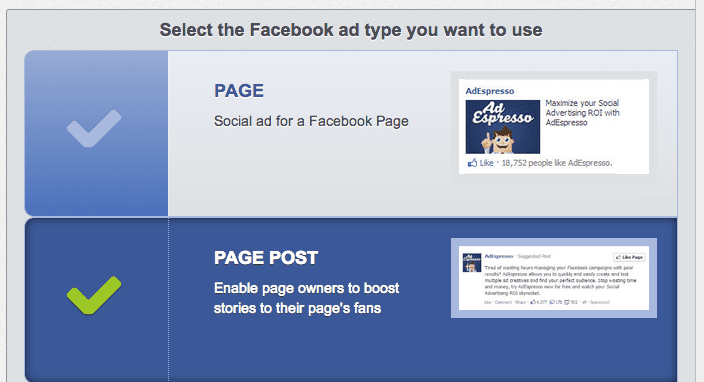 How to Set Up a Facebook Suggested Post
Facebook is essentially the world’s most smug life coach. It watches you scroll through vacation photos while you’re stuck in a cubicle, then serves you a post about “10 Signs You’re Overworked and Under-Loved.” Thanks, Mark. I didn’t need that mirror held up right now.
And let’s not forget the nostalgia bait. One day you’re minding your own business, and a suggested post pops up: “Remember this toy from 1998?” You click, you shed a tear, and then you’re two hours deep into a rabbit hole of 90s commercials. The algorithm doesn’t sleep. It just feeds your soft spots.

