
Southern cooks have a deep, almost poetic relationship with self-rising flour. Brands like White Lily, made from soft winter wheat, are treasured for their low protein content that yields impossibly tender biscuits. Your all-purpose flour—often a hard red wheat—has more gluten, so your biscuits might be slightly chewier. That’s not failure; that’s character.
In the UK, self-raising flour (not “rising”) is standard for Victoria sponges and scones. British friends often look at American recipes with genuine confusion, because we add separate leaveners to flour. It’s a charming transatlantic divide—like chips vs. crisps.
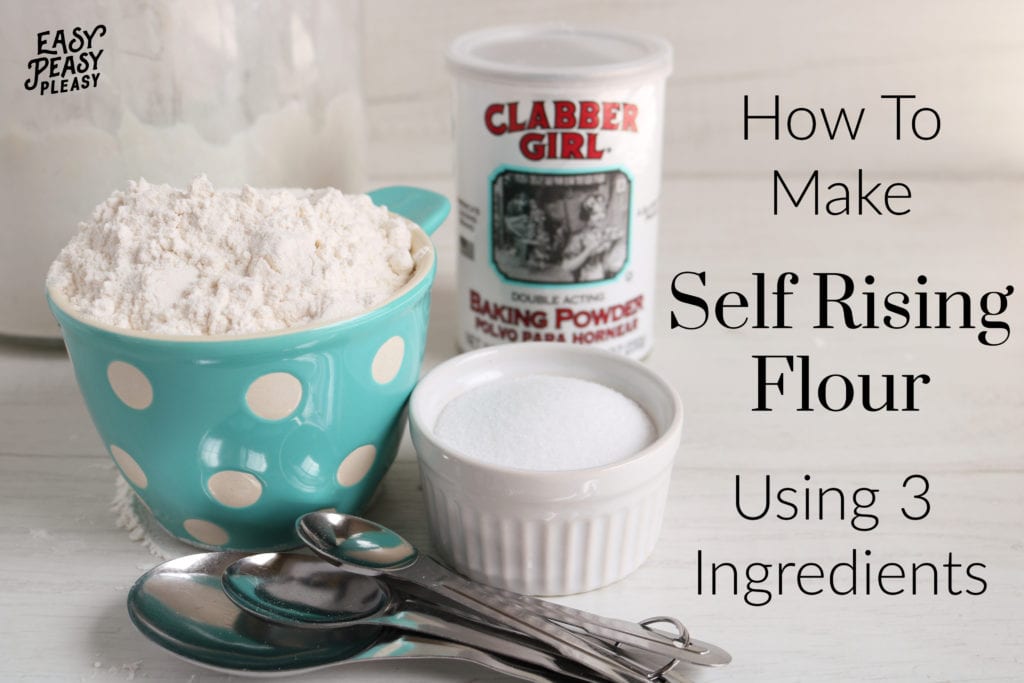 Smart and Simple Ways to Substitute Self-Rising Flour in Any Recipe
If you’re feeling playful, try the substitution with whole wheat or gluten-free all-purpose blends—just ensure they contain a binding agent like xanthan gum. The same formula works, but you’ll need to add a tablespoon of extra liquid per cup to soften the bran.
Emergency Fixes and Happy Accidents
Out of cream of tartar? No problem. You can use ½ teaspoon of baking soda plus 1 teaspoon of lemon juice or vinegar per cup of flour. The acid-base reaction will fizz like a middle-school volcano, and your pancakes will thank you.
Worried about overmixing? Since self-rising flour substitutes have a softer structure, stop stirring the moment the dry ingredients disappear. Overworking develops gluten that makes tough, hockey-puck biscuits. Gentle hands, gentle heart.
Fun fact: in a pinch, you can use self-rising flour to make a quick no-yeast pizza crust. Just mix two cups with two-thirds cup of yogurt, press into a pan, and bake at 400°F for 15 minutes. Dinner is solved.

