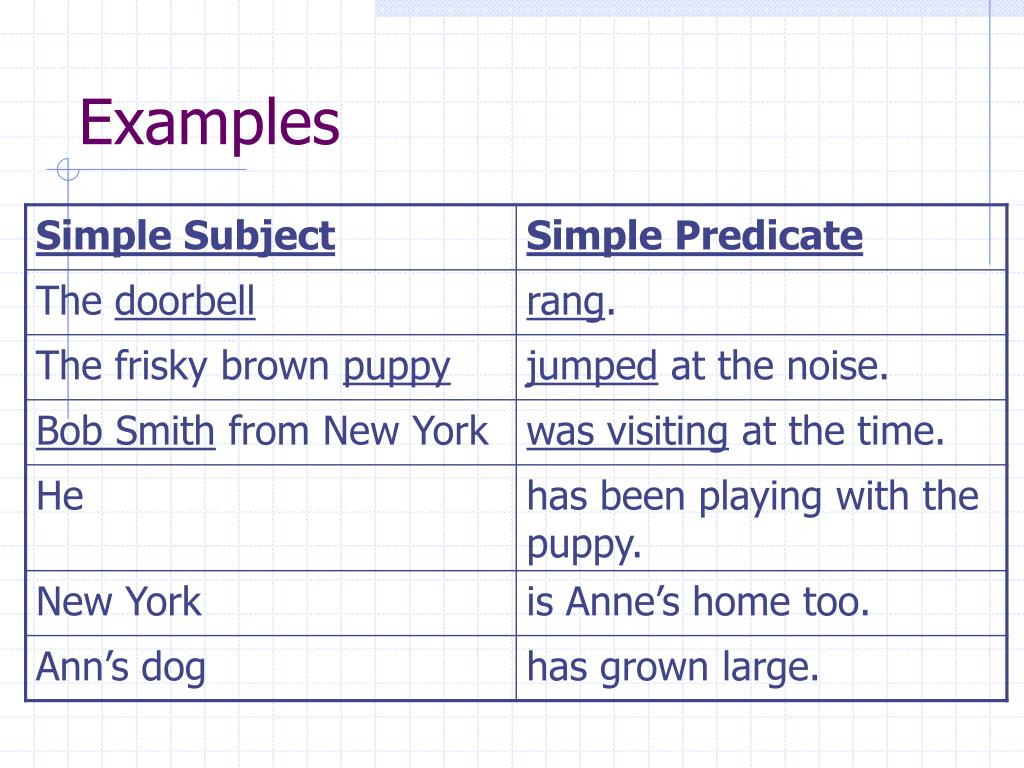
Imagine you’re at a party, and you blurt out, “The neighbor’s hyperactive golden retriever that always barks at the mailman.” Everyone stares. That’s a complete subject—a whole mouthful. But the simple subject is just the core: “retriever.” It’s the bare bones, the main character without all the drama.
For example: “My cat, who thinks he’s a lion, stole my last slice of pizza.” The simple subject isn’t “my cat who thinks he’s a lion”—it’s just “cat”. He’s the culprit. Everything else is just fancy dressing. You can usually find the simple subject by asking, “Who or what is this sentence really about?” The answer is almost always a noun or a pronoun.
Even in a sentence like, “The tired, grumpy, coffee-deprived teacher sighed,” the simple subject is just “teacher.” All those adjectives are just sad little accessories. The teacher is the one who sighed. That’s it. Simple.