Start small. You don’t need a 5,000-gallon cistern to experiment. Install a 50-gallon rain barrel from your downspout, add a basic sediment filter and a camping-style UV pen, and you’ve got a test kitchen for sky water. Taste it: you’ll notice it’s lighter than tap water, almost sweet, with no chlorine aftertaste. It’s like drinking the air after a storm—because you are.
Next, research local regulations. Some states (like Colorado) have complex water rights that restrict rainwater harvesting. Others (like Hawaii and California) actively encourage it with rebates. Call your county extension office—they love talking about rainwater and usually have free guides. Also: invest in a debris screen for your gutters. Cleaning pine needles from a tank is a Saturday you don’t want to lose.
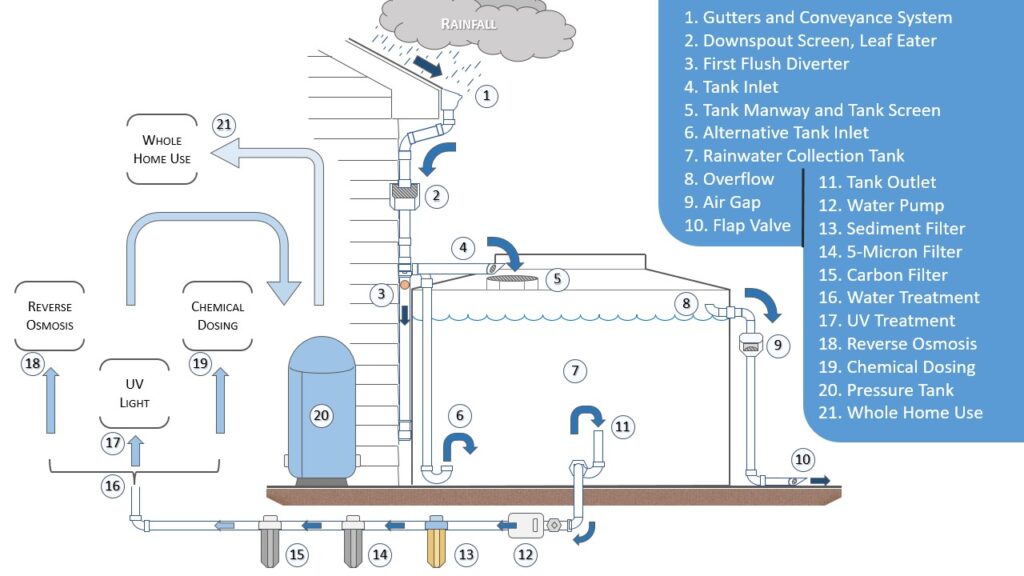 Rainwater Harvesting System Rain Water Collection Jalharvest Rain
Pro Tip: Use a stainless steel or food-grade plastic tank. Concrete tanks can leach lime and affect taste.
If you’re serious about drinking, hire a professional for the plumbing between the tank and your kitchen. A copper pipe with a lead-free solder or PEX tubing is the gold standard. And label everything—you don’t want someone accidentally washing dishes with tank water that hasn’t passed through the UV filter. Safety is a habit, not a one-time install.