
PIP breaks down into two parts: daily living and mobility. For mental health, the daily living part often covers things like preparing food, managing medicines, or even just planning a simple task. If anxiety makes you freeze at the thought of cooking, or depression saps your motivation to shower, PIP acknowledges that struggle.
The mobility part isn’t just about walking—it’s about getting out and about. If panic attacks stop you from taking the bus, or agoraphobia keeps you from leaving the house, that’s a valid mobility need. You don’t need a broken leg to need help getting from point A to point B.
Let’s use a real-life example. Meet Sarah: she’s a graphic designer with severe social anxiety. Going to the supermarket makes her heart race and her palms sweat. She often orders takeaway because cooking after a rough day feels impossible. PIP could give her extra cash to cover delivery fees or buy ready-made meals, taking the pressure off her mental load.
The little things you never think about
You know those tiny decisions that exhaust you? Like deciding what to eat, or remembering to take your medication. For someone with depression or ADHD, these aren’t “just” small tasks—they’re mental mountains. PIP’s daily living component can help pay for things like a pill organizer, a food delivery service, or even a cleaner so you have energy for the things that matter.
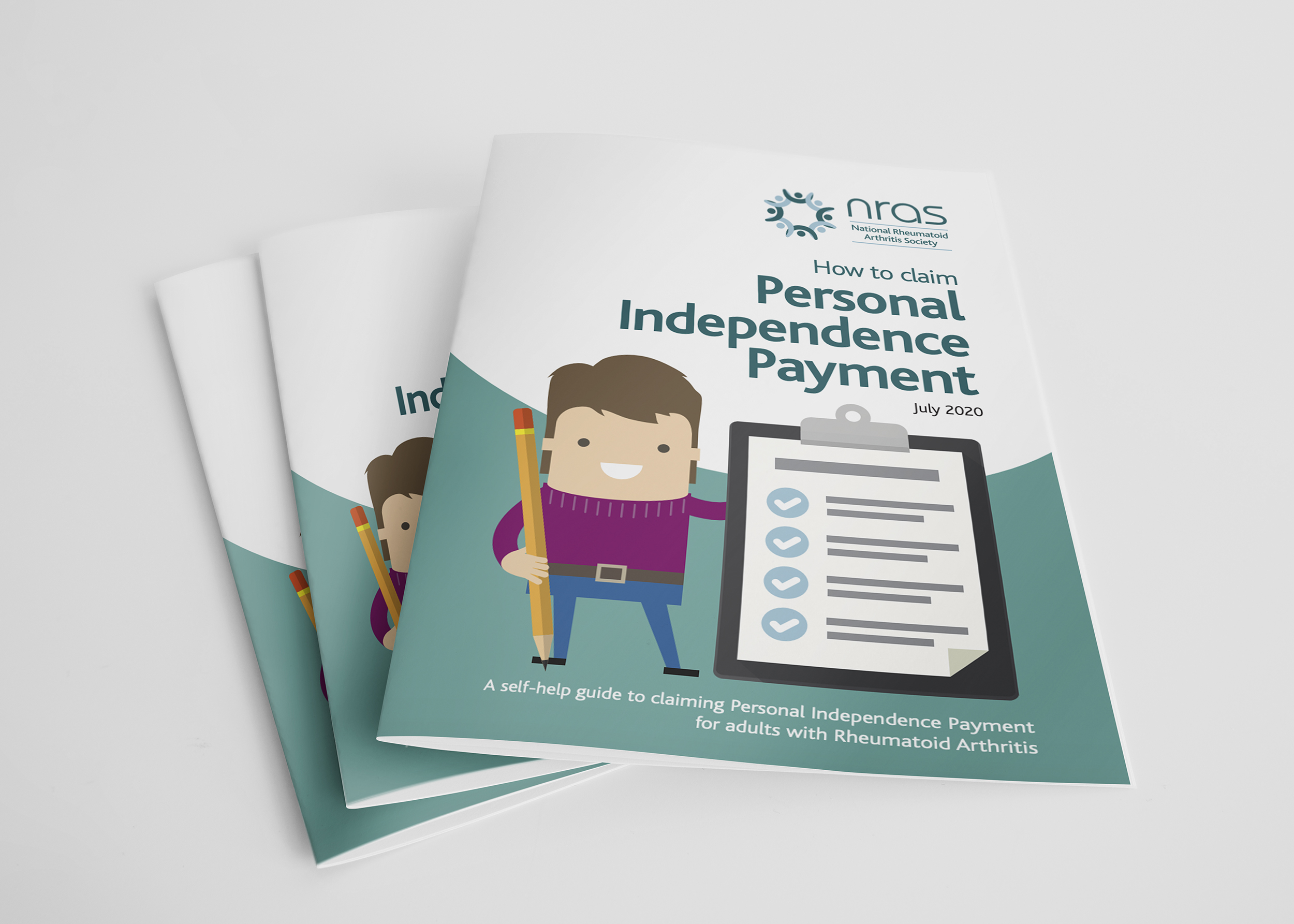 Personal Independence
It’s not a handout—it’s a toolkit. The money is meant to bridge the gap between how you actually function and how society expects you to. And here’s the kicker: it’s not means-tested. Your savings or job don’t matter. If you need it, you can apply, whether you work part-time or not at all.
I once spoke to a man named Tom who had PTSD after a car accident. He couldn’t drive anymore, and public transport triggered flashbacks. PIP paid for taxis to his therapy appointments. “It felt like a lifeline,” he said, “because I wasn’t just stuck at home anymore.” That’s the whole point.

