Early signs say yes. Some surgeries have reported a rise in early diagnoses for things like cancer and autoimmune diseases—conditions that are easily mistaken for common bugs or stress.
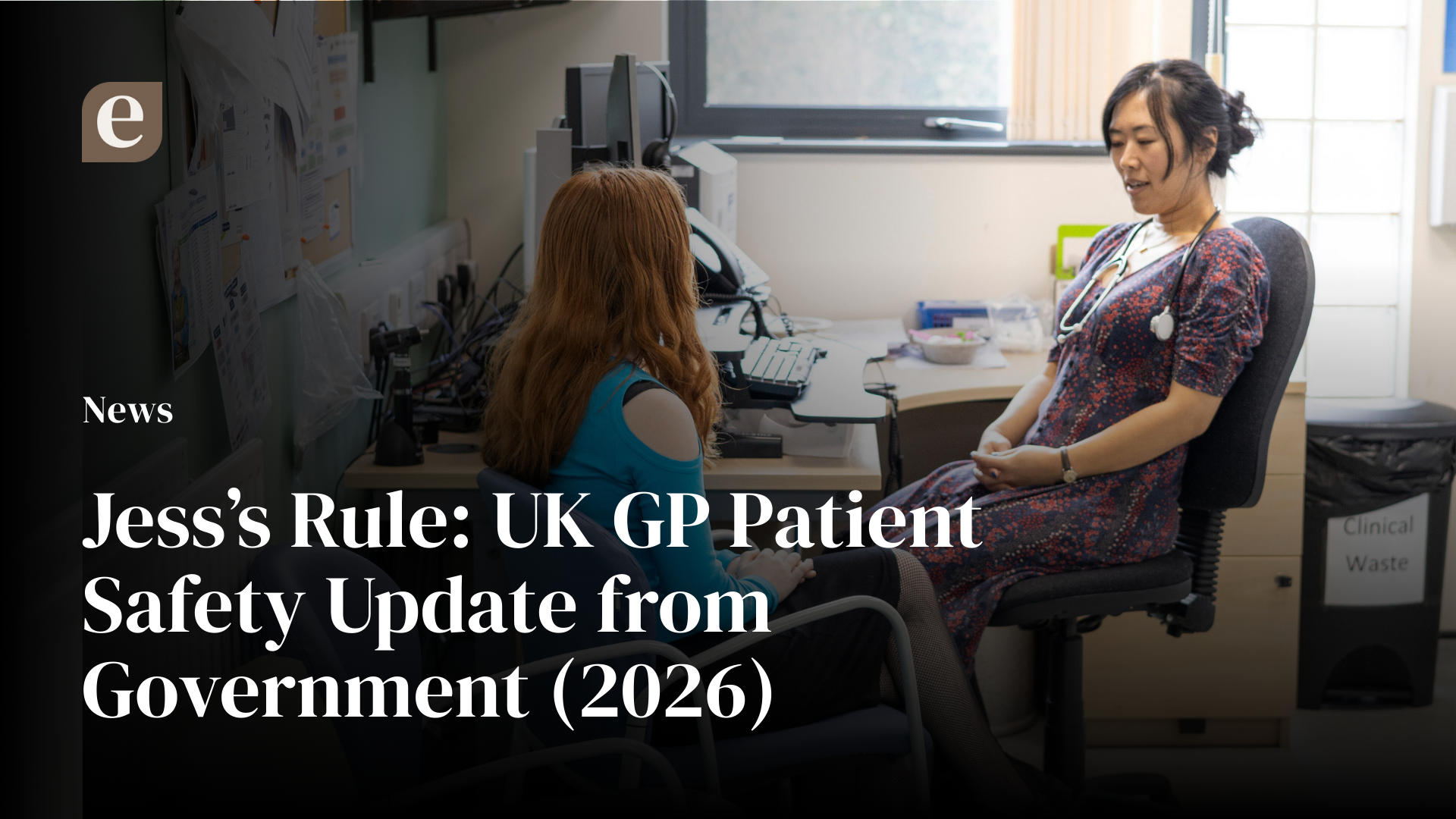 Jess’s Rule Explained: The UK GP Patient Safety Initiative
But let’s be real: it’s not a magic wand. The NHS is still underfunded and GPs are still overwhelmed. But Jess’s Rule is a cultural shift, not a bureaucratic one. It changes how doctors think, which is way harder to do than buying new equipment.
Imagine if your phone’s “low battery” alert was replaced by a message that says, “Hey, maybe check the charger cable again?” That’s a small tweak, but it could save your whole day.
What Should You Take Away From This?
If you’ve ever felt dismissed by a doctor, Jess’s Rule is a tiny victory. It says your experience matters. It says persistence isn’t annoying—it’s a clue.
And if you’re a hypochondriac like me, you might worry this will make doctors too eager to run tests. But actually, it’s the opposite—it’s about getting the right test at the right time, not every test under the sun.
So next time you’re at the GP and you’re told “come back if it gets worse,” remember Jess’s Rule. And maybe, just maybe, you’ll have the confidence to say, “Actually, I’d like us to run through that checklist today.”
Because sometimes the coolest innovations aren’t fancy gadgets—they’re just a new way of listening.