Let’s be real: we’re all addicted to the wow factor of high magnification. It feels like cheating at life, seeing the invisible. But that’s a trap, my friend—a blurry, frustrating trap.
Low power magnification is the unsung hero of the microscope. We’re talking 4x or 10x objectives. It’s not about seeing bacteria; it’s about seeing how things fit together.
Think of it like this: you wouldn’t zoom in on a single pixel to understand a painting, would you? Okay, maybe you would, but you’d be a terrible art critic.
Your First Date with a Sample
Using low power is like walking into a party and scanning the room first. You get the layout, the vibe, where the snacks are. It’s context.
With a 4x lens, you can see the entire cross-section of a plant stem. You spot the big rings, the central pith, the outer edge. High power would just show you a few boring cells, and you’d be lost.
You also get depth of field. On low power, more of your sample is in focus at once. That blurry mess from earlier? It becomes a crisp, beautiful landscape.
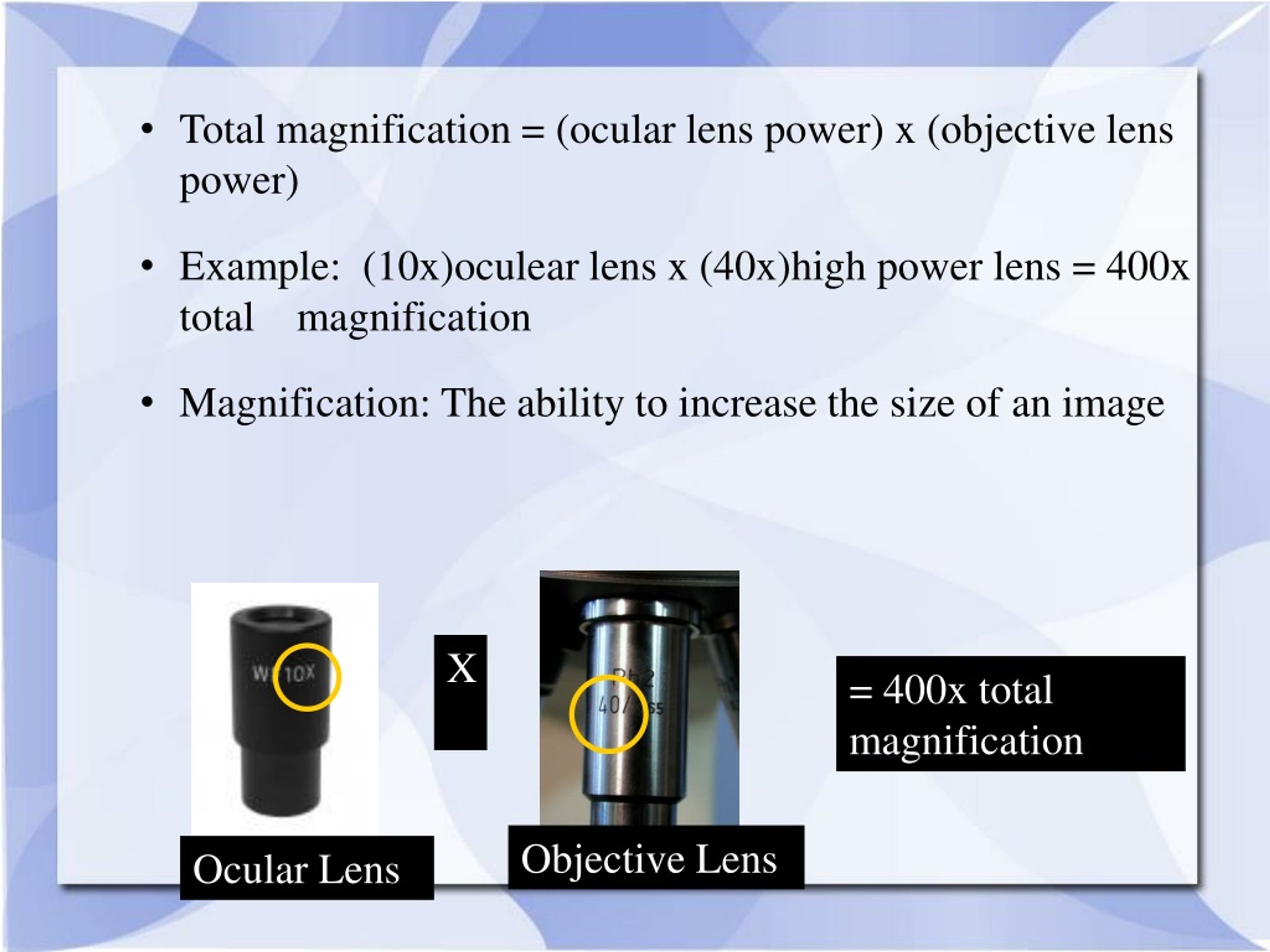 Magnification Of The Low Power Objective Lens Is Usually
Why High Power is a Show-Off (and a Liar)
Here’s the dirty secret no one tells you: cranking the magnification to max is often useless. Microscopes have a limit called “empty magnification.” You’re just blowing up a blur.
I remember spending an hour trying to focus on a cheek cell at 1000x. Turned out I was just looking at a tiny piece of dust on the lens. Classic rookie move. I’ve got the T-shirt.
Low power keeps you honest. It shows you the real structure, not just a magnified smudge. It’s the difference between watching a movie trailer and staring at a single film grain.