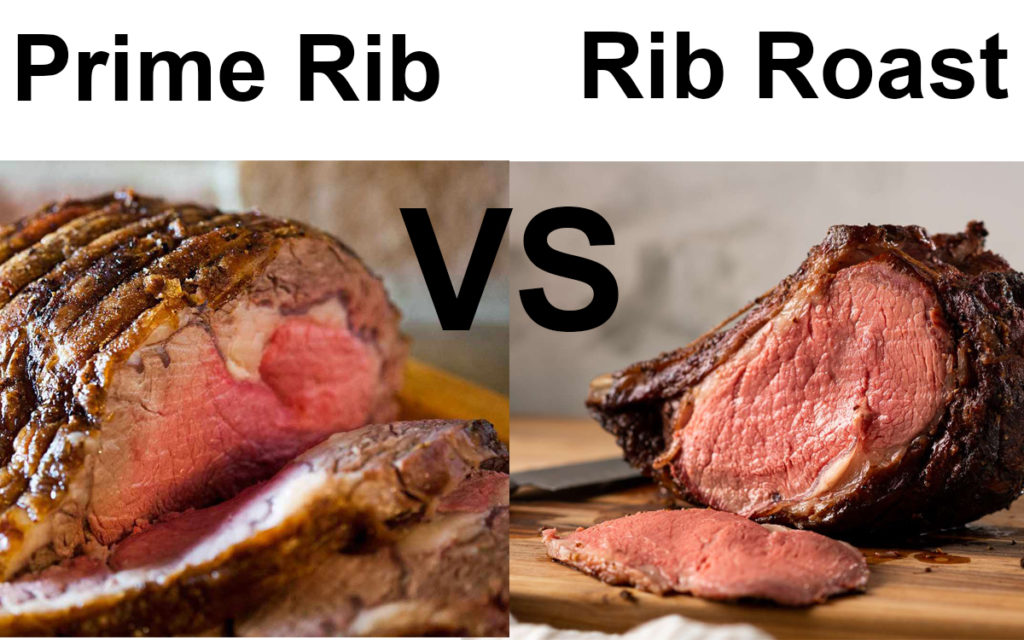
Now, meet prime rib: the roasted version of that same rib roast. Chefs often trim the fat cap and tie the roast back up, or they’ll cut it into individual, bone-in steaks after cooking. The name “prime rib” has become the fancy dinner menu title. It’s what you order at a steakhouse when you want to feel like a big deal.
Here’s the kicker: the Prime in “Prime Rib” doesn’t always mean USDA Prime grade. It’s a menu term that implies quality, even if the beef is actually Choice grade. So, you could have a Choice Rib Roast at home, but call it “Prime Rib” for your guests, and no one would bat an eye.
Does that mean you’ve been overpaying for the name? Maybe a little. But the experience of prime rib—the slow roasting, the au jus, the horseradish cream—is worth the hype. It’s like the difference between a “plain coffee” and a “house blend pour-over.” Same base, but one comes with a vibe.
The Bone Dilemma
Both cuts can be bone-in or boneless. A bone-in rib roast is often called a “standing rib roast,” and it’s iconic. The bones act like a natural roasting rack and add extra flavor. A boneless rib roast? That’s just the meat, easier to slice, but you lose a little of that theatrical dinosaur-bone factor.
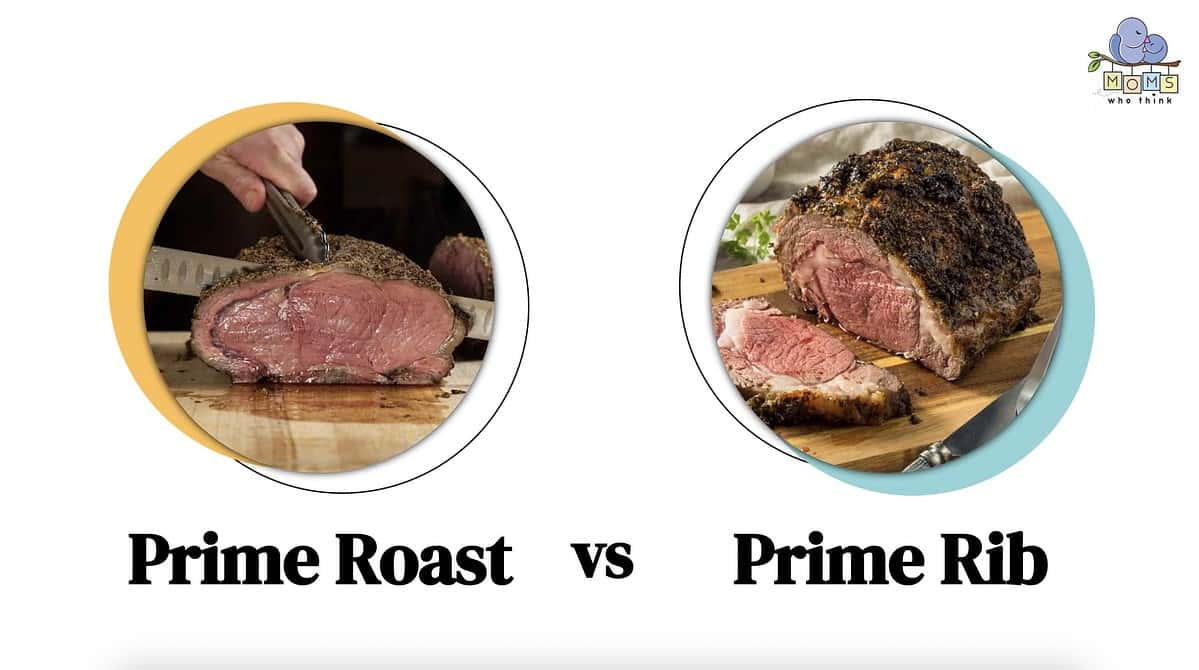 Prime Roast vs. Prime Rib: Differences Between Rib Roast & Prime Rib
Which one should you pick? If you’re hosting a crowd and want to look like a grill master, go with the bone-in rib roast. It’s heavy, it’s tall, and it screams “I know what I’m doing.” But if you’re cooking for two or want perfectly round slices, a boneless rib roast is your new best friend.
And here’s a fun comparison: think of prime rib as the celebrity and the rib roast as the actor. They’re the same person, but one is on the red carpet, and the other is out grabbing groceries. You don’t need a red carpet to enjoy great beef.