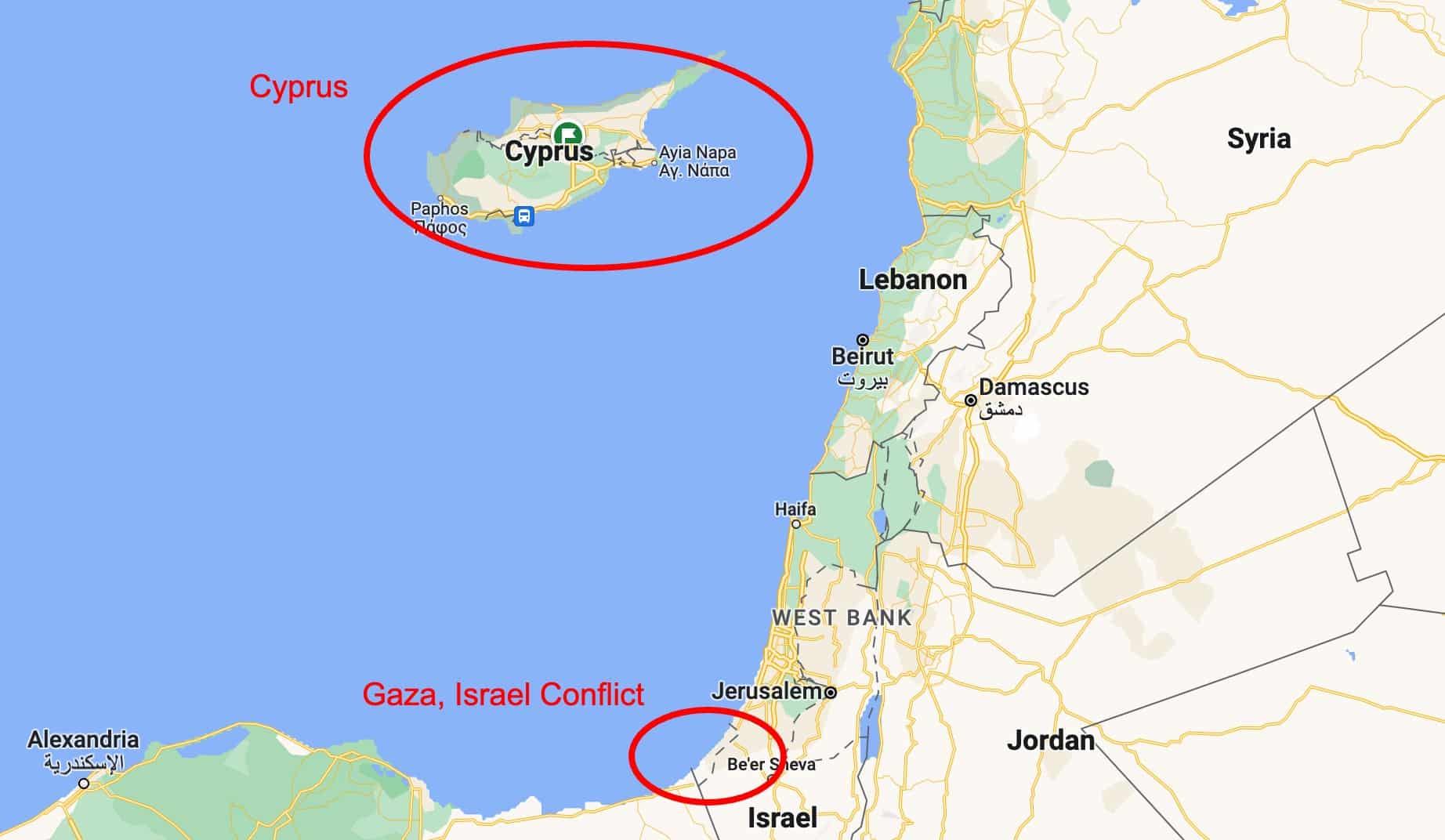
Every time I mention Cyprus to someone, they bring up the Green Line—the UN buffer zone splitting the island into Greek-Cypriot and Turkish-Cypriot sides. Look, I get it, a divided capital sounds intense. But here’s the truth: crossing from south to north in Nicosia feels more bureaucratic than dangerous. You show a passport, wander through a checkpoint, and suddenly you’re in a different world with cheaper kebabs.
The biggest risk at that border? Getting scammed on currency exchange rates. Seriously, the only shots fired are the ones you’ll take of ouzo at a taverna. The island has been stable for decades, and the political tension is far more dramatic in news headlines than on the ground.
But What About Crime? (Spoiler: It’s Boringly Low)
Cyprus enjoys one of the lowest crime rates in the EU. I’m talking about a place where people leave their doors unlocked in villages, and the most common complaint is a stolen beach towel. Of course, you still need common sense—don’t flash cash in tourist traps, don’t stumble home drunk at 3 a.m. through shady alleyways. (That advice applies literally everywhere, though.)
Petty theft happens, mostly in hotspots like Ayia Napa or Limassol’s strip clubs—ironically, the places you’re least likely to go for a cultural retreat. The local police are shockingly efficient and often speak English; I once saw an officer scold a teenager in perfect British slang for littering. It was adorable.

