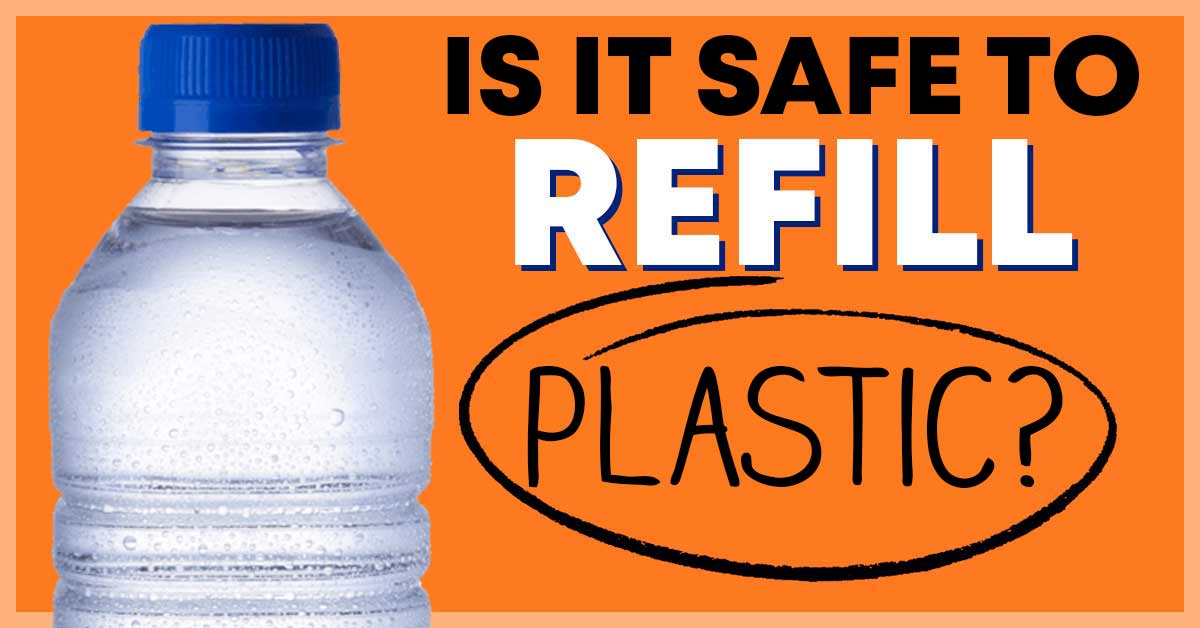
Now for the buzzkill: chemicals like BPA and phthalates can leach from plastic, especially when it’s heated or old. Have you ever left a bottle in a hot car and tasted that weird, plasticky flavor? That’s your water doing a little chemical tango with the container.
Most single-use bottles are made of PET plastic (that’s the #1 recycling symbol), which is generally considered safe for one use. But when you refill it over and over, the plastic gets scratched, worn out, and more likely to release tiny amounts of stuff. Is it dangerous? The science says maybe—in really high doses, but not from a normal day’s use.
Here’s a fun comparison: think of it like wearing the same T-shirt for a year. It’s still a T-shirt, but it’s frayed, stretched, and not as fresh. Your bottle is the same way. After a few weeks of refills, it’s just not the pristine thing it started as.
When Heat is Your Enemy
This is where things get interesting—and a little gross. If you leave that bottle in a sunny window or a hot car, heat accelerates chemical release. A study found that water from a bottle left in a hot car had three times more antimony (a weird metal) than a cool one. Not exactly the kind of extra you want in your hydration.
 The Importance of Refilling Water Bottles Safely
So, rule of thumb: don’t bake your bottle. If it’s been roasting in the sun, toss it and grab a fresh one. Think of it like a popsicle left on the dashboard—it’s not the same after the heat wave hits it.

