
Smoothies have this magical reputation. They’re the cool cousin of juicing—all the fiber, less waste, and way more Instagrammable. But here’s the kicker: your brain doesn’t process liquid calories the same way as solid food. You’re basically tricking your stomach into thinking it hasn’t eaten. Charming.
Think about it. When you eat an apple, you chew, you register the sweetness, and your body gets the memo that food is here. A smoothie? You’ve liquefied that same apple into a sugary pulp that hits your bloodstream fast—like that friend who shows up late but leaves early. (Ironic, right?)
The Health Benefits (Yes, They Exist)
Let’s not throw the blender out with the bathwater. A well-built smoothie can be a legitimate powerhouse. Toss in a handful of spinach, some frozen berries, and a tablespoon of almond butter, and you’ve got a drink packed with fiber, antioxidants, and healthy fats. That’s not just good—that’s brilliant.
For someone like me, who forgets to eat vegetables until they’re wilting in the crisper drawer, a morning smoothie is a lifesaver. It’s also a godsend for athletes or busy parents who need calories fast without sitting down for a bowl of oats. But here’s where it gets sneaky.
The Sugar Trap You Didn’t See Coming
Here is where I must play the Bad News Bear. Many store-bought smoothies—and even some homemade ones—are basically milkshakes in health drag. A single “green” smoothie from that cute café can pack 40 to 60 grams of sugar—that’s like eating 10 Oreos, but with more guilt because it’s “healthy.”
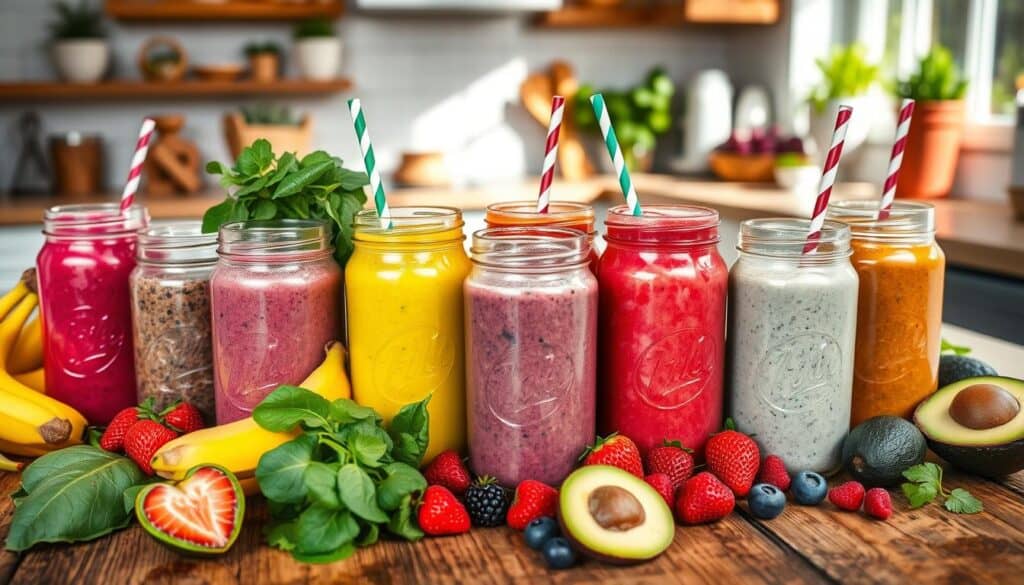 Healthy Smoothies to Boost Your Energy All Day
And don’t get me started on the “add a boost” culture. You think you’re being virtuous by adding agave nectar, but honey, that’s still sugar. Flowing in liquid form. Your liver is not impressed. (Side comment: next time, just eat the Oreo. At least you’ll enjoy it.)

