
Let’s talk about your uterus. It’s a brilliant, pear-shaped organ. But sometimes, it throws house parties you didn’t approve.
We’re talking about leiomyomas. That’s the fancy name for fibroids. These are non-cancerous muscle lumps.
They are incredibly common. Like, really common. Many women have them and never even know it.
Meet The Intramural Fibroid: The Wallflower
First up: the intramural leiomyoma. This fibroid is a classic homebody. It grows right in the muscle wall of your uterus.
Picture a chocolate chip in a muffin. That’s your uterus, and that’s the fibroid. It’s just chilling there, making the muffin bumpy.
These are the most common type. They can be tiny peas or giant grapefruits. Your uterus just stretches to accommodate them. Thanks, elastic organ!
When they get big, they can cause heavy periods. Like, tsunami-level heavy. You might feel a constant, dull ache or pressure.
A quirky fact: they can make your period feel like a scene from a horror movie. But remember, they are benign. Your body is just being a drama queen.
Meet The Submucous Fibroid: The Party Crasher
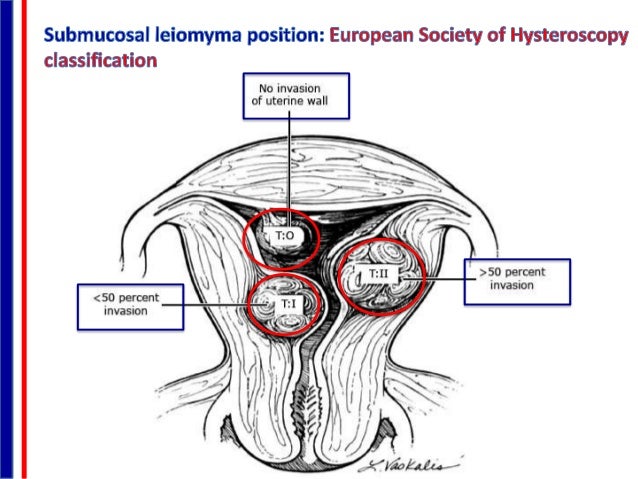
Now for the troublemaker: the submucous leiomyoma. This one grows just under the uterine lining. Think of it as a bump under your carpet.
It bulges right into the uterine cavity. This is where the baby would hang out. So, this fibroid is a serious space invader.
Even small ones cause chaos. They can turn your period into a bloodbath. We’re talking gushing, clotty, “where is all this coming from?” levels.
A funny detail: they can cause intermenstrual bleeding. That means spotting when you’re not on your period. It’s like your uterus is texting you random, confusing alerts.
They are also known for causing painful cramps. Not just cramps, but vicious, stabbing cramps. Your uterus is throwing a tiny tantrum.
Why Are They So Quirky?
Here is the funny part. Nobody knows exactly why they grow. They are fueled by estrogen and progesterone. So, they love when you’re pregnant or ovulating.
They can shrink after menopause. Great news! Your body finally kicks the freeloaders out. That is a 10-year wait, though.
Another quirky fact: they are hormone-driven drama magnets. They can grow fast during pregnancy. Your uterus becomes a bumpy, lumpy apartment building.
And they love company. Most women don’t have just one. They have a whole squad. A fibroid family reunion is happening inside you.
The Weird Symptoms Nobody Warns You About
Submucous fibroids can cause back pain. Your uterus and lower back share a nerve highway. Traffic jams happen.
You might feel like you need to pee all the time. That’s the fibroid pushing on your bladder. Your bladder is now a tiny, squished tenant.
 Uterine leiomyoma (fibroid)
Constipation is also a possibility. The fibroid squishes your colon. You become a human traffic cone.
Some women experience bloating. It’s not just a food baby. It’s a fibroid baby. You look four months pregnant, but you’re not.
The Good News: You’re Not Alone
Here’s a wild statistic: up to 80% of women have fibroids by age 50. That is eight out of ten friends. You are in a huge, secret club.
Most are asymptomatic. That’s doctor-speak for “they do nothing.” Your uterus can host a whole colony of lumpy houseguests and nobody notices.
They are almost never cancer. The risk is less than 1 in 1,000. Your body is just making weird, harmless decorations.
How Do Doctors Find These Squatters?
They use an ultrasound. It’s like a submarine sonar. They scan your belly and see the “echoes” of the lumpy bastards.
For submucous ones, they might use saline infusion sonography. They fill your uterus with salt water. It’s like a car wash for your cavity, and the fibroids become visible.
Another cool tool is an MRI. It gives a high-definition map of your internal real estate. You get a very detailed portrait of your bumpy interior.
The Fun Part: Treatment Options (It’s Like A Menu)
If they bother you, you have options. You can watch and wait. That’s the “ignore the weird noise” approach.
You can take medication to manage symptoms. Birth control pills can lighten the flow. It’s like putting a muzzle on the drama queen.
For submucous fibroids, there’s a cool procedure called hysteroscopic myomectomy. They go in through the vagina. No belly cuts! They use a tiny camera and a little scalpel. You get to call it a “vaginal vacuum” for lumps.
For bigger ones, they might do laparoscopic surgery. Tiny keyhole incisions. Your uterus gets a little cosmetic surgery.
In extreme cases, a hysterectomy is an option. That’s evicting the entire apartment building. It’s a permanent solution for a very lumpy home.
There’s also UAE (Uterine Artery Embolization). They inject tiny beads to cut off the fibroid’s blood supply. It’s like a miniature food blockade. The fibroid starves and shrinks. Die, lumpy houseguest!
Final Thought: Embrace The Lumpy Mystery
Your uterus is a resilient, stretchy, party-loving organ. It can accommodate whole clusters of benign lumps and still function.
Intramural ones are the quiet neighbors. Submucous ones are the loud party animals. Both are part of your weird, wonderful biology.
So, next time you feel a cramp, just wink at it. Whisper: “Hello, little lump.” You’re now a certified member of the Fibroid Fan Club. Welcome.

