
Let’s get a tiny bit nerdy for a second. Rabies is caused by a Lyssavirus, which is fancy Latin for“makes you act like a rabid raccoon.” It attacks the brain, causing hydrophobia (fear of water) and aggression.
But here’s the wild part: humans are a dead-end host. That means we’re not good at passing it on. Unlike dogs or bats, we don’t bite each other enough—or at least, not in a virus-friendly way. (Unless you’re a toddler with teething issues, but that’s a different story.)
So even if you got bitten by a person with rabies, the odds of them having enough virus in their spit to infect you? Slim to none. It’s like trying to start a campfire with a wet match and a leaf.
Real-Life Headlines: The Transplant Cases
Back in 2004, a cluster of rabies popped up in organ transplant recipients. The donor had died from what doctors thought was a stroke—but nope, it was rabies. Yikes.
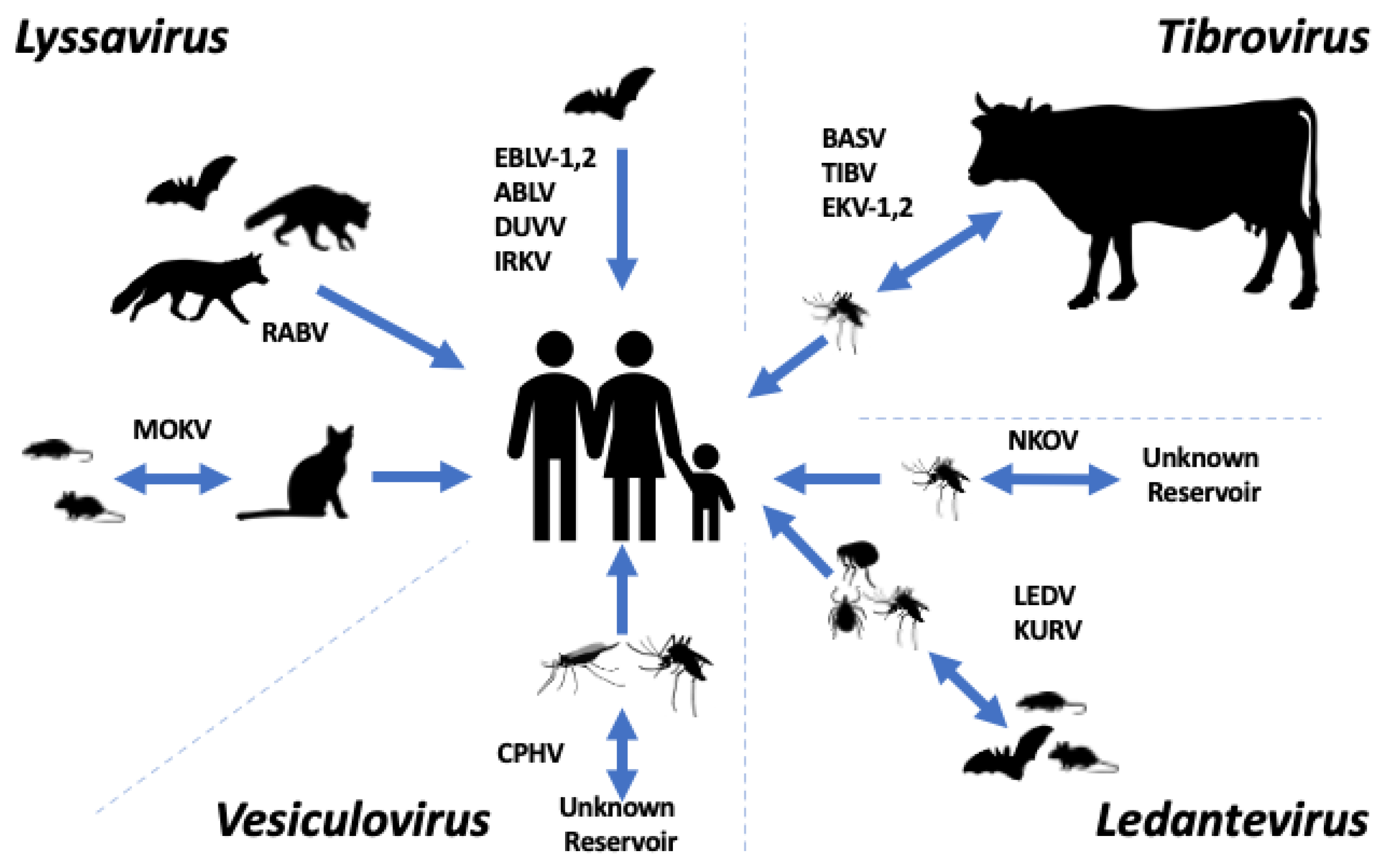 Rabies Transmission Cycle
Since then, a handful of similar cases have been reported worldwide. But here’s the key: the virus was transmitted through infected organs, not casual contact. So, unless you’re planning to swap livers with a stranger, you’re fine.
Medical pros now screen for rabies in organ donors, so even that risk is nearly zero. Thanks, science.

