The Environmental Protection Agency says the average home loses nearly 10,000 gallons a year to leaks. That’s enough to fill a small swimming pool or drown your guilt trip. A dripping faucet might seem harmless, but it’s the water equivalent of leaving your front door open with the AC blasting. And it’s usually a $2 rubber washer away from being fixed.
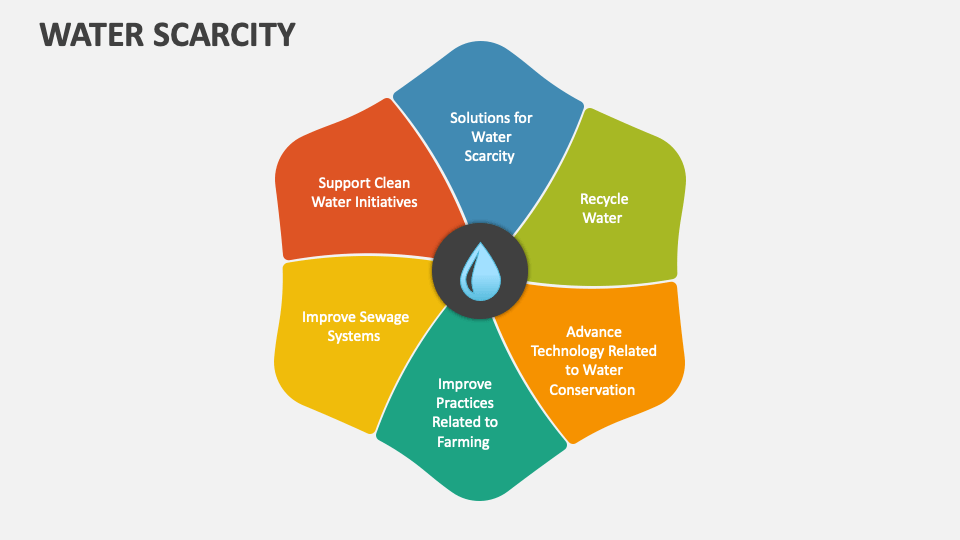 Water Scarcity Infographic Template
So, channel your inner plumber. Watch a YouTube video. Buy a wrench. That slow drip in the bathroom? It’s not “character”—it’s a tiny crime against logic. Fix it, and you’ll feel like a hero every time you hear silence instead of that rhythmic plink. Plus, you can use that saved water money to buy yourself a fancy cocktail. You earned it.
The Policy Shift (The Part That Feels Boring Until It’s Not)
Individual actions are great, but let’s be real: if your city’s pipes are from 1920 and leaking like a sieve, your rain barrel is just a drop in the bucket. We need to push for infrastructure upgrades. The good news? Smart cities are starting to use sensor networks to detect leaks in real-time. The bad news? Nobody pays for it unless voters yell.
So get a little loud. Call your city council and ask about water-efficient building codes. Support local projects that restore wetlands—they naturally filter and store water. And if someone tells you “there’s no money for that,” remind them that fixing a leaky pipe is cheaper than building a new dam. That usually shuts them up.
Look, solving water scarcity isn’t about being a saint. It’s about being shrewd. Catch the rain, reuse the greywater, eat a bean burrito, and fix that stupid leak. My grandma didn’t have a degree in hydrology—she just had a bucket and a stubborn belief that every drop matters. And she’s right. So, what are you waiting for? Go fire up that wrench. The basil plant is counting on you.