So, how hot are we talking? For most frying—think chicken, fish, or veggies—you want the oil somewhere between 350°F and 375°F (175°C to 190°C). You don’t need a fancy thermometer if you don’t have one. A simple wooden spoon handle dipped in the oil will tell you: if tiny, energetic bubbles immediately dance around the wood, you’re in business.
Why does this matter for your everyday cooking? Because hot oil means speed. That chicken tender cooks in minutes, not an eternity. The exterior gets that satisfying snap, while the inside stays juicy and tender. It’s like giving your food a time-saving, delicious superpower.
Another dead-simple test: drop a single popcorn kernel or a small cube of bread into the oil. If it sizzles and pops up to the surface in about 60 seconds, you’re golden. If it sinks and sits there quietly, wait. Patience here is a small investment for a huge payoff.
The Grease Villain: When Oil is Too Cold
Cold oil is the stealth villain of your kitchen. It sneaks into your food and stays there, leaving you with a heavy, greasy stomach. Nobody wants that. It’s the difference between a light, airy tempura and a sad, heavy clump that tastes more like an oil spill than a vegetable.
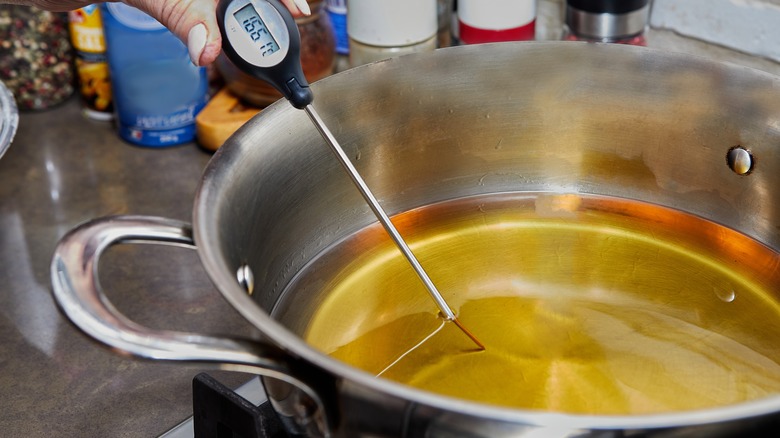 The Best Oil Temperature For Frying Perfect Homemade Tortilla Chips
I used to think that frying in a ton of oil was the problem. It’s not. The amount of oil matters less than its temperature. A pan with just an inch of oil, when properly hot, will fry your eggrolls to perfection in under two minutes. A deep pot of oil that’s barely simmering? You’re just slow-poaching your food in grease.
It’s like this: ever jump into a cold swimming pool? You sort of slog your way in. But a hot shower? You feel that immediate, pleasant shock. Hot oil is like that shower—it shocks the food into action, creating that barrier before the oil can soak in.