The simplest kind of filtering is like using a colander for pasta. You pour your spaghetti and water in, and the colander holds back the noodles while the water drains away. A basic water filter uses a super-fine mesh or a porous material to physically trap larger particles like sand, rust, or even tiny bits of plastic.
Think of it as a bouncer at a club. The bouncer checks everyone at the door. If a chunk of dirt tries to get into your glass, the bouncer says, “Sorry, buddy, not on the list.” This is why many pitcher filters can make cloudy tap water look crystal clear.
But physical trapping is just the first layer of the story. The real magic happens when we shrink down to the invisible world.
Activated Carbon: The Sponge with an Attitude
Have you ever noticed that new refrigerator smell? That’s often from activated carbon. This stuff is like a super-powered sponge that’s been heat-treated to create millions of tiny pores. When water flows over it, the carbon grabs onto chemicals and odors like a magnet.
Chlorine, which makes pool water smell strong, is a common culprit in tap water. Activated carbon loves to latch onto chlorine molecules, pulling them out of your drink. That’s why filtered water often tastes cleaner and fresher—the carbon has said “bye-bye” to the chlorine taste.
It’s like having a friend who picks the onions out of your salad. The carbon is that friend, but for bad tastes and smells. It doesn’t get rid of everything, but it makes a huge difference in your enjoyment.
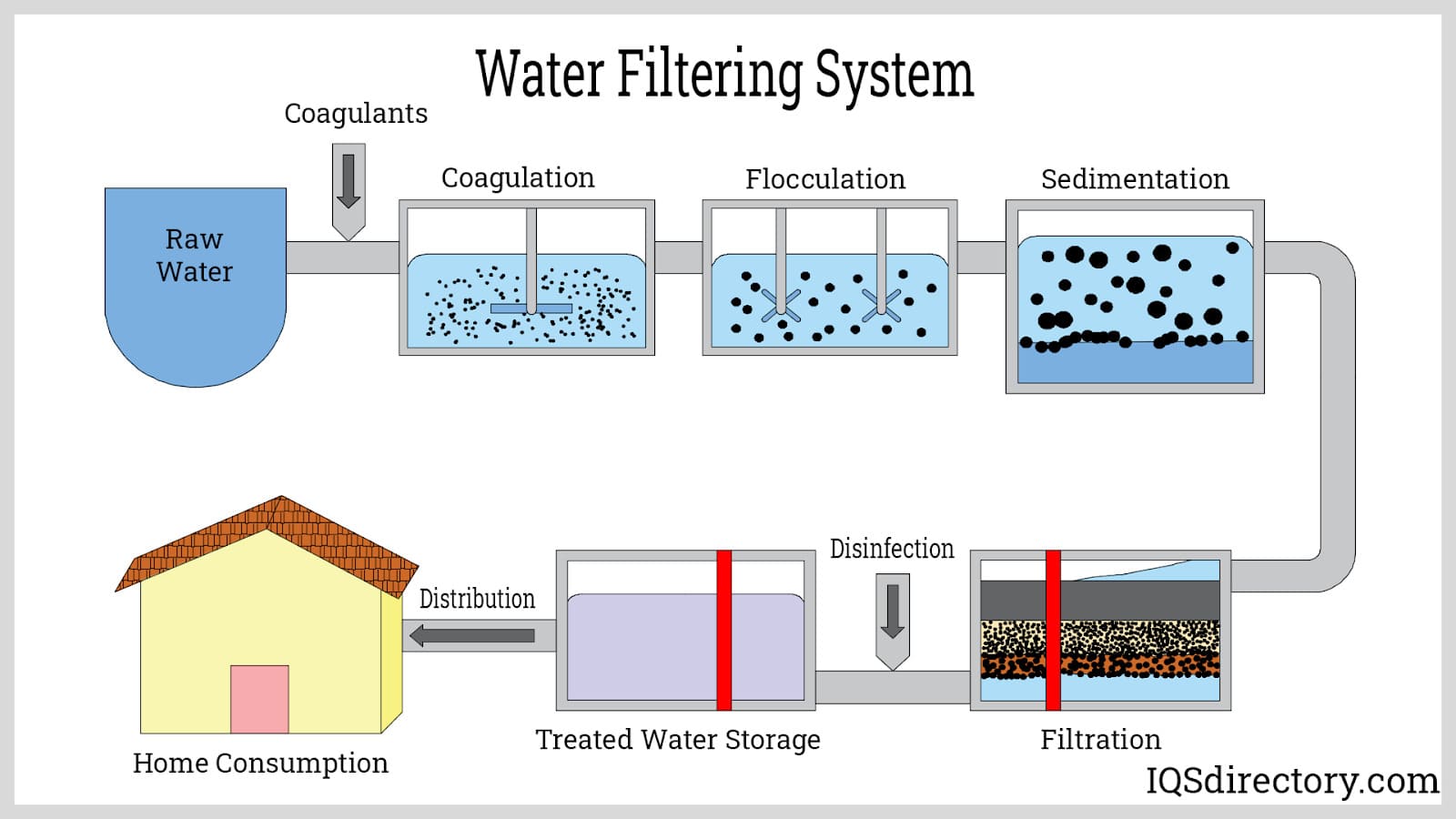 All Filters LLC | Filtering System
Reverse Osmosis: The Extreme Makeover
Now we’re getting into the heavy-duty stuff. Reverse osmosis (RO) is like a very, very picky bouncer. It uses a special membrane with pores so small, only pure water molecules can squeeze through. Everything else—like lead, fluoride, and even salts—gets pushed away.
Imagine you’re trying to push a beach ball through a garden hose. It’s not happening, right? That’s what RO does to contaminants. It uses water pressure to force the water through, leaving the bad stuff behind to be flushed away. This is why RO systems are used in many coffee shops and homes that want ultra-pure water.
It’s a bit slow, like a tortoise winning a race, but the result is water that’s almost distilled. If you’ve ever had a really crisp glass of water at a restaurant, it was likely RO filtered.
Ion Exchange: The Water Softener’s Secret
Ever noticed white, chalky spots on your dishes after a wash? That’s hard water, full of calcium and magnesium. An ion exchange filter swaps those hard minerals for softer ones, usually sodium or potassium. It’s like a friendly trade at a garage sale.
The water flows over tiny resin beads that are charged. They grab onto the calcium and magnesium, and then release a tiny bit of sodium in return. This makes your water feel silkier, your soap lather better, and your pipes last longer. It’s not about making water safer to drink—it’s about making it nicer to use.
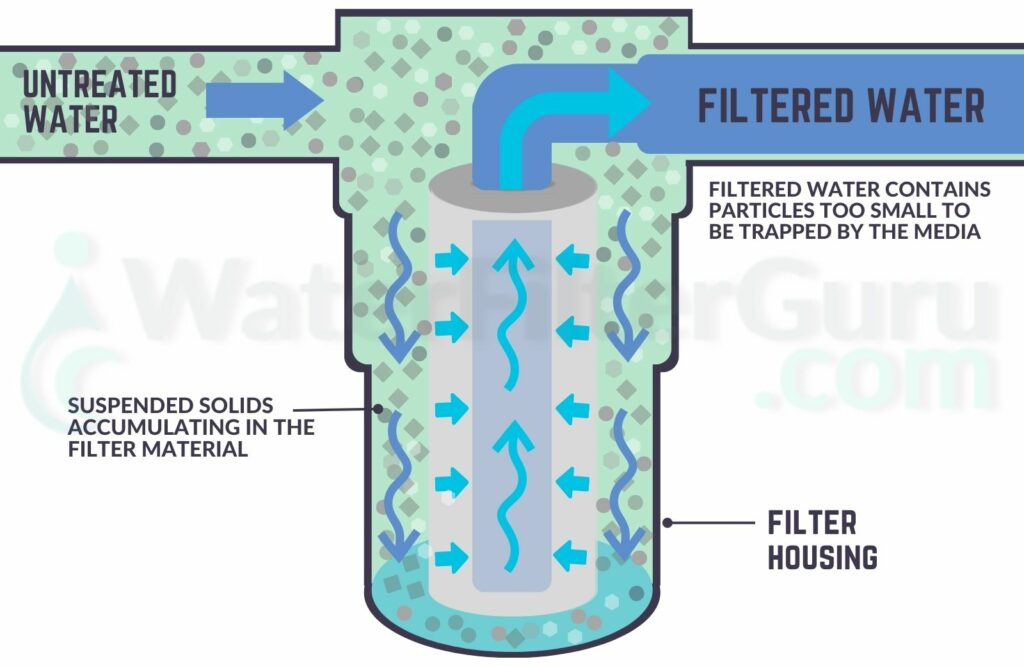 How Does A Water Filtration System Work - Infoupdate.org
You might have a water softener in your basement. That whole machine is basically one giant ion exchange party happening 24/7. Your skin and hair will thank you for it.