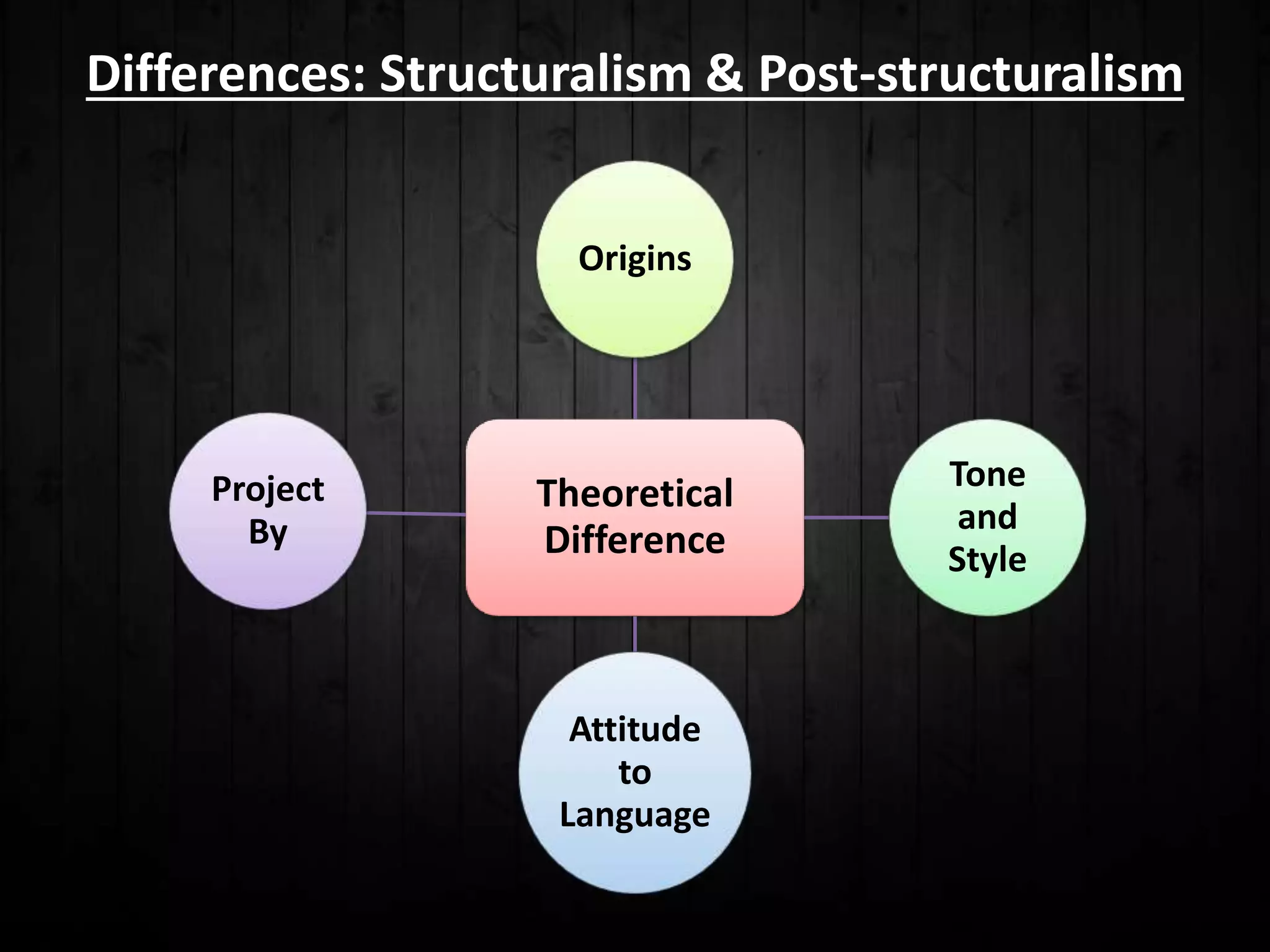
Imagine you’re at a dinner party. A structuralist would see your behavior—small talk, fork placement, laughing at the host’s bad joke—as a grammar of social rules. The fun fact? The father of this idea, Ferdinand de Saussure, was a linguist who argued that words only have meaning because of their difference from other words. ‘Cat’ means cat because it isn’t ‘cap’ or ‘bat.’
It’s like a chess game. The knight isn’t a carved wooden horse; it’s a piece defined by its position and relation to other pieces on the board. Structuralists see the whole board—the system—as the key to understanding everything. Think Star Wars: Luke is a Hero because the Force (the system) pits him against Vader (the Villain). It’s all neat and binary.
Cultural Safety Net
This is why we love genres. A structuralist lens explains why a horror movie needs a jump scare at minute 12: it’s a rule of the system. It’s comfortable, predictable, and gives order to chaos. Practical tip: next time you’re arguing about a film’s plot, ask, “What structure is this story following?” You’ll sound like a genius.
The drawback? This view believes systems are fixed. It assumes your identity at that dinner party is just a role—The Joker, The Listener. But what if you want to be both?