:max_bytes(150000):strip_icc()/byr-before-after-temporary-hair-color-test-artic-fox-after-tatiana-kennedy-ee111b6f4cae4911a4162e01ec46c222.jpeg)
Let’s be honest: temporary color can hurt your wallet if you get addicted. I’ve spent more on blue spray than on my actual haircut. And psychologically? It stings when the color stains your pillowcase or makes you look like a zombie after two washes. But that’s not hair damage—that’s just life being petty.
Also, please don’t believe the internet fear-mongering about “temporary color causing cancer” or “rotting your hair from the inside.” Those rumors usually stem from old-school dyes that are no longer used. Modern temporary colors are basically glorified food coloring mixed with conditioners. They’re tested for safety. The only thing they rot is your dignity after a pool party.
 16 Most Common Hair Problems in Men and Women Are Revealed!
Two Exceptions to the Rule
Exception number one: If you have chemically relaxed or keratin-treated hair. Those treatments make the cuticle more porous, so temporary color can cling unevenly and require extra scrubbing to remove. The scrubbing is the issue, not the dye. Exception number two: Black henna or “natural” temporary dyes that contain paraphenylenediamine (PPD). Those can cause allergic reactions or burns. Stick to brands labeled semi-permanent or direct dye—they’re way less sketchy.
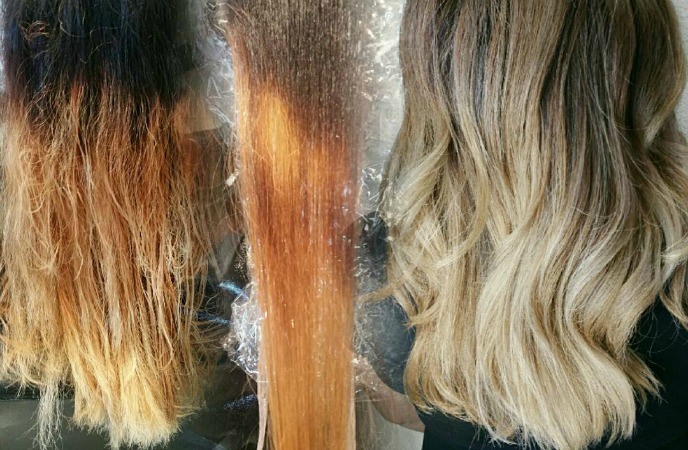
One last thing: if you use temporary color on bleached hair, expect a shock. The porous, lightened ends soak up the dye like a sponge, which means you’ll need a gentle clarifying wash (not a scrub-fest) to remove it. I learned this the hard way when my beachy blonde turned Pepto-Bismol pink for a week. No damage, just shame.