
Here’s the cold, hard truth: marinades don’t penetrate deep into meat. Especially not in the 30 minutes to 2 hours most recipes suggest. We’re talking about a millimeter or two of flavored surface, tops. That tangy, herby goodness you’re dreaming of? It’s a glorified surface treatment, like a perfume you spray on a sweater—fades fast and doesn’t change the fabric itself. (Unless you’re marinating for 8+ hours, but then you risk turning the exterior into mush from the acid—hello, mealy chicken).
So what does a marinade actually do then? It gives you a tiny bit of moisture and a visual illusion of flavor. The salt in the marinade can help a little—it draws out juices, then reabsorbs them with some saltiness—but that’s about it. Don’t expect it to turn a bland chicken thigh into a flavor bomb. Ironically, the best part of your marinated chicken is often the crust you get from the leftover marinade hitting the hot grill.
The Secret Weapon? It’s Not the Marinade
If you want real flavor inside the meat, you need to look at a completely different tool: brining (salting the meat ahead of time) or—and this is my favorite—using a dry rub. A dry rub, with its rough texture and intense spices, actually sticks to the meat’s surface and creates a crust that holds flavor when cooked. Plus, it doesn’t add extra liquid that just steams your chicken. (Ever notice how wet chicken gets a gray, sad skin? That’s your marinade’s fault. Sorry not sorry).
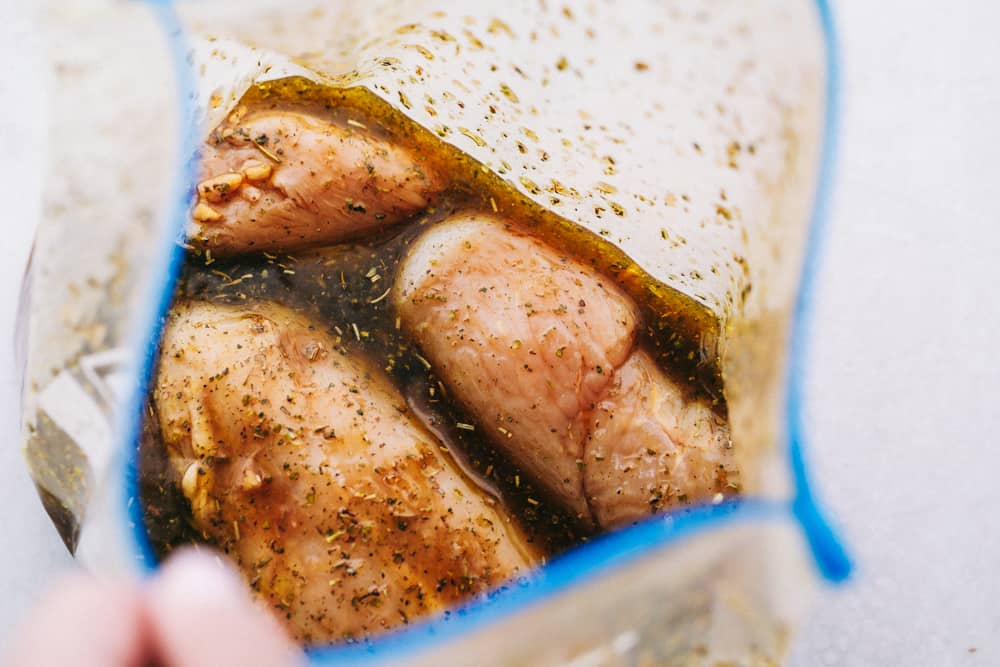 Does Marinating Chicken Make It More Tender at Daniel Friday blog
And let’s talk about the other big culprit: marinades with too much acid. Lemon juice, vinegar, wine—they’re great in a dressing, but for chicken? They can literally start "cooking" the outer layer, making it tough and rubbery before the inside is done. You end up with a piece of meat that’s over-cooked on the outside and under-flavored everywhere else. Not a great look for your dinner party.

