
Does A Water Filter Remove Lead
Okay, let’s be real for a second. You’ve heard the scary stories about lead in water, right? Flint, Michigan, aging pipes, the whole shebang. Suddenly, your perfectly clear ta...
Okay, let’s be real for a second. You’ve heard the scary stories about lead in water, right? Flint, Michigan, aging pipes, the whole shebang. Suddenly, your perfectly clear tap water looks suspicious. You might be thinking, “My fancy water filter has got this covered, right?” Well, let’s grab a coffee (filtered, obviously) and chat about it.
The short, sassy answer is: Yes, some water filters do remove lead. But—and this is a big, juicy “but”—not all of them do. It’s like saying all shoes are for running. Your sparkly sandals? Not so much. Your rugged trail runners? Absolutely.
So, what kind of filter is the superhero here? Look for a filter that specifically says it’s certified to remove lead. That certification usually comes from a place like NSF International or the Water Quality Association. If it doesn’t have that stamp of approval? Assume it’s just for taste and odor. That’s nice for your morning brew, but useless against a heavy metal like lead.
Let’s get into the nitty-gritty. The most common hero here is an activated carbon filter. Yes, the same black stuff in your Brita or refrigerator pitcher. When it’s made right, it can adsorb lead—basically, the lead particles get stuck to the carbon like sticky notes on a fridge. But here’s the kicker: the carbon has to be specially formulated and the filter has to have enough contact time with the water. Cheap filters? They’re just pretending.
What about reverse osmosis systems? Oh, they’re the heavy hitters. These guys use pressure to push water through a super-fine membrane. They take out lead, arsenic, fluoride, and even your will to live if you have to change the filters enough. Jokes aside, reverse osmosis is excellent at removing lead. It’s like a bouncer at a club—no toxic metals getting past that door.
Another option is a distillation unit. This boils water into steam and then condenses it back into liquid. Guess what? Lead doesn’t evaporate with the steam. It’s left behind like a bad party guest. So, yes, distillation removes lead. But it’s slow, uses a ton of electricity, and makes your water taste a bit flat. Trade-offs, my friend.
Now, let’s talk about the elephant in the room: pitcher filters. You know, the cute ones on your counter? Many are great for chlorine and bad tastes. But check the fine print. Some are not certified for lead removal. Others are, but only for a limited number of gallons. If you’re relying on a $20 pitcher to protect your family from lead poisoning, you need to read the box very carefully. Don’t assume—verify.
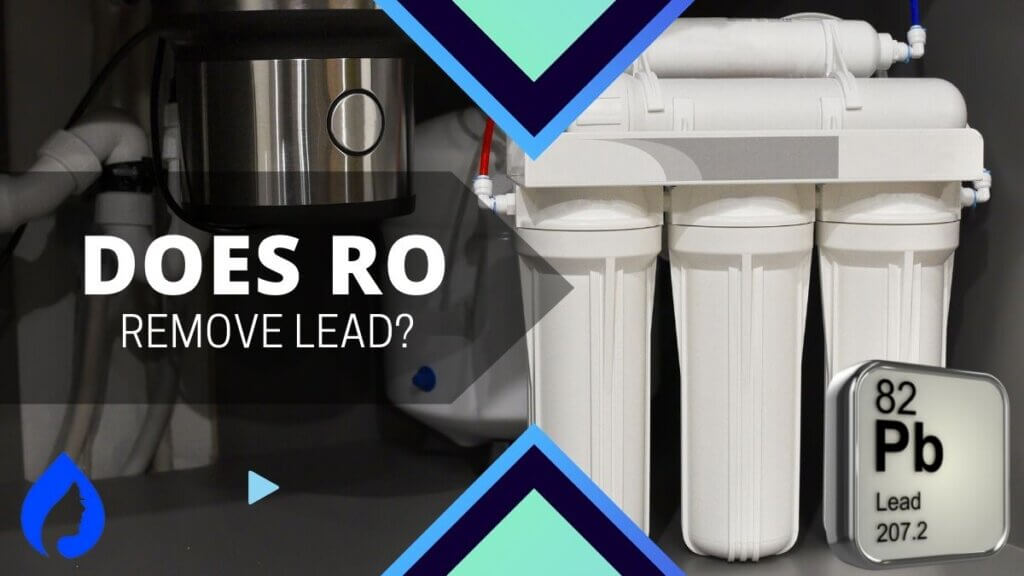 Does Reverse Osmosis Remove Lead From Water? Truth Revealed (2026)
Here’s a little secret: boiling your water does NOT remove lead. In fact, it can make it worse! As water boils away, the lead concentration actually increases because the water volume shrinks. So, if you’ve been boiling your tap water thinking you’re safe, stop it. You’re just making lead soup. Yum?
So, how do you pick the right filter? First, test your water. Seriously. Before spending a dime, find out how much lead is actually in there. Your local health department or a DIY kit can help. Don’t guess—it’s your brain cells on the line.
Second, look for NSF/ANSI Standard 53 for lead reduction. That’s the gold standard. Also, Standard 58 for reverse osmosis systems. If a filter brags about removing lead but doesn’t mention these standards, run. It’s like a used car salesman promising a Ferrari for $500—too good to be true.
What about faucet-mounted filters? Or under-sink systems? Faucet ones are convenient but often have low capacity. Under-sink systems are more powerful, but require installation. Whole-house filters? Overkill for lead unless your pipes are made entirely of lead (please, no). Point-of-use—where you drink—is the smart move.
 Does Soma Water Filter Remove Lead at Carol Greig blog
Let’s talk money. A decent pitcher filter that removes lead runs about $30 to $50, plus replacement cartridges every couple of months. An under-sink reverse osmosis system? $150 to $500. But here’s the thing: is your health worth the upgrade? If you have kids or pregnant people in the house, don’t skimp. Lead exposure is no joke—it affects brain development. That’s not funny, so let’s be serious for a second.
Also, change your filters on time. I know, I know, it’s a pain. But an old, clogged filter can actually dump lead back into your water. Yes, you read that right. Reverse osmosis—it can become a lead dispenser if you forget to swap it out. Set a calendar reminder. Be an adult about it.
So, final verdict? A water filter DOES remove lead, but only if it’s the right one. Don’t be fooled by marketing. Look for certifications. Do your homework. And for the love of all that is holy, stop boiling your water. You’re not making pasta—you’re concentrating poison.
Now go pour yourself a glass of water. Filtered, of course. Cheers!

