
Here’s the quick history lesson (don’t worry, it’s short). Beavers were hunted to extinction in the UK about 400 years ago. People wanted their fur for fancy hats and their castoreum for—wait for it—medicine and perfume. Yes, we wiped out an entire species so people could smell like beaver butt. Priorities, right?
For centuries, the only beavers in Britain were on coats of arms or in old fairy tales. We just assumed they were gone forever, like dodos or common sense in a political debate. But nature, as it turns out, has a wicked sense of humor and a slow-burn comeback plan.
Who Brought Them Back? (Spoiler: It Wasn’t a Shadowy Beaver Conspiracy)
The comeback is a mix of official reintroductions and a few “illegal” escape artists. In Scotland, the government officially reintroduced them to Knapdale back in 2009. But here’s the kicker: a separate, unlicensed population was already thriving on the River Tay—likely from captive animals that just noped out of their enclosures. Classic beaver energy: “You can’t contain this flat tail.”
In England, it’s been a trial-and-error affair. The most famous example is the River Otter in Devon, where a wild population was discovered around 2014. Nobody knew they were there until someone spotted a baby beaver (a “kit,” which is the most adorable name ever) on camera. The government initially planned to remove them, but local campaigns flipped the script, and now they’re legally protected. You love to see a PR win for rodents.
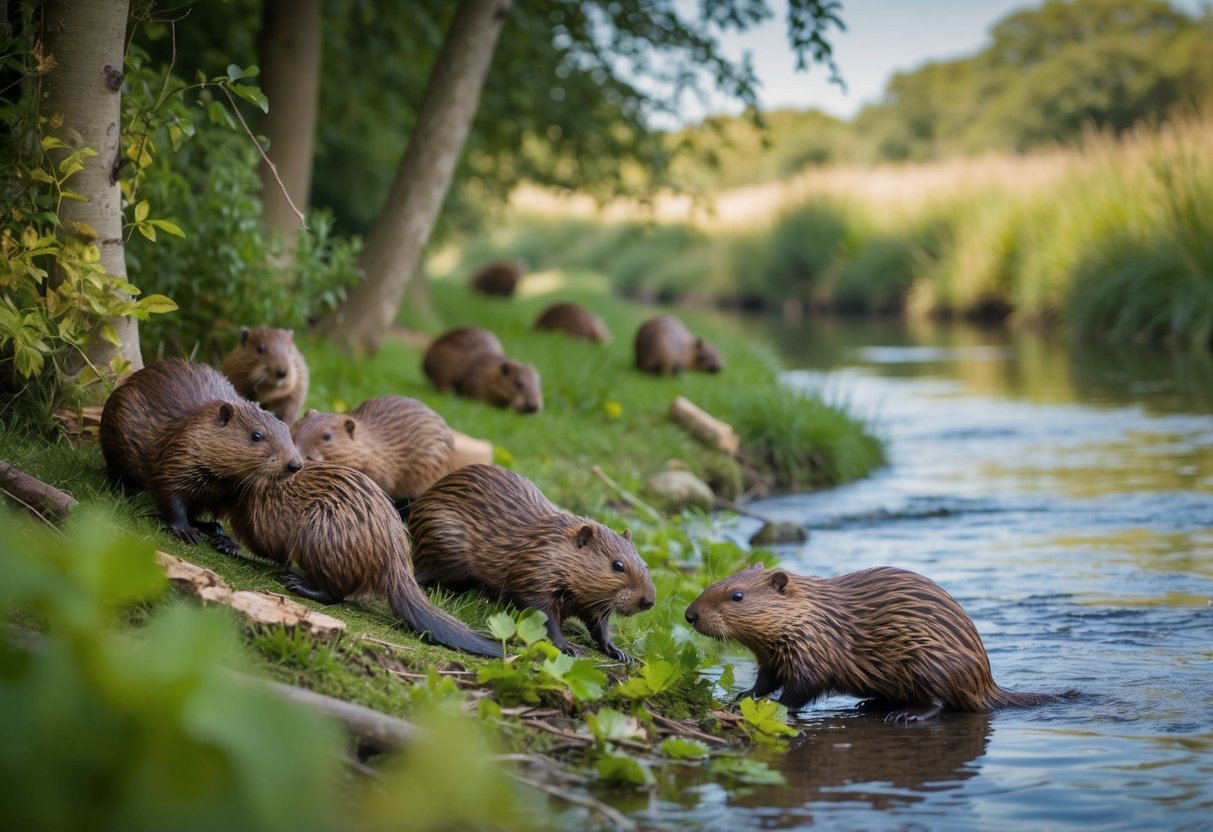 What Do Beavers Eat in the UK? A Guide to Their Favorite Foods - Know

