
Cooked Fish In Fridge For 7 Days
Let’s talk about that container in the back of your fridge. You know the one: leftover salmon from last Tuesday’s dinner, now entering day seven of its cold-storage saga. We’v...
Let’s talk about that container in the back of your fridge. You know the one: leftover salmon from last Tuesday’s dinner, now entering day seven of its cold-storage saga. We’ve all been there, staring at the Tupperware lid like it holds the answer to a moral dilemma. Should you eat it, or should you let it join the compost pile?
The short answer is: it depends on a few key details. Food safety isn’t about counting down the hours on a calendar; it’s about understanding the biology of your fish. Cooked fish is a high-risk food because it’s rich in protein and moisture, two things bacteria absolutely love. The USDA recommends eating cooked fish within three to four days, but here we are, flirting with day seven.
So, can you push that boundary? In practice, many people have, and lived to tell the tale. But it requires a forensic-level sniff test and a whole lot of honesty with yourself. If the fish smells off—even just a hint of ammonia or sourness—do not pass go. That smell is a chemical signal that bacteria have already thrown a party.
Let’s get practical. The first step is the look. If your fish has developed a slimy film, or if the edges look dried out and discolored, it’s time to say goodbye. Texture is your friend here: fresh leftover fish should feel firm, not mushy. A single questionable bite isn’t worth a night of regret.
Now for the fun part: cultural context. In Japan, there’s a deep respect for the freshness of seafood, but they also have a tradition of narezushi, which is fish fermented for months. That’s a controlled environment. Your fridge is not a fermentation chamber. In Scandinavia, pickled herring can last weeks, but that’s because the acid and salt act as preservatives. Your plain grilled cod has no such backup dancers.
Fun fact: the “five-second rule” doesn’t apply here, but the two-hour rule does. If your cooked fish sat out on the counter for more than two hours before you refrigerated it, day seven is a hard no. Bacteria double in number every 20 minutes at room temperature. That means your seven-day leftover actually started its clock from a disadvantage.
If you’re still considering it, ask yourself: how was it stored? Did you put it in a shallow, airtight container shortly after cooking? Or was it left in a deep bowl with the lid slightly ajar? The deeper the container, the longer it takes to cool, which gives bacteria a head start. Airtight storage can buy you an extra day or two, but rarely a full week.
 How to Store Fresh Caught Fish Using Ice - Artic Refresh Ice and Water
Here’s a tip straight from a chef’s playbook: reheat it to a scalding 165°F (74°C). That’s hot enough to kill most surface bacteria. Use a food thermometer; guessing doesn’t cut it. And don’t just pop it in the microwave for thirty seconds—heat it evenly, stirring halfway if you can. But even perfect reheating won’t neutralize toxins produced by bacteria that have been growing for seven days.
Let’s talk about olfactory confidence. The human nose is actually quite good at detecting spoilage in seafood. Our ancestors relied on this for survival. Trust yours. If you have to hold your breath while opening the container, that’s a metaphorical red flag, and a literal one. You shouldn’t need to psych yourself up to eat a leftover.
A quick detour into history: before refrigeration, people used salt, smoke, and drying to preserve fish. That’s why salt cod (bacalao) is a staple in Mediterranean and Caribbean cuisines. You can keep it for months. Your mild, moist, cooked tilapia? That’s a luxury product designed for immediate enjoyment. Day seven is asking too much of that 19th-century icebox magic.
Another practical tip: freeze it sooner. If you know you won’t eat your cooked fish within four days, portion it out and freeze it on day two. Frozen cooked fish can last up to three months. Then you just thaw it in the fridge overnight and reheat. That’s the secret to enjoying your favorite lemon-herb salmon three weeks later without the existential dread.
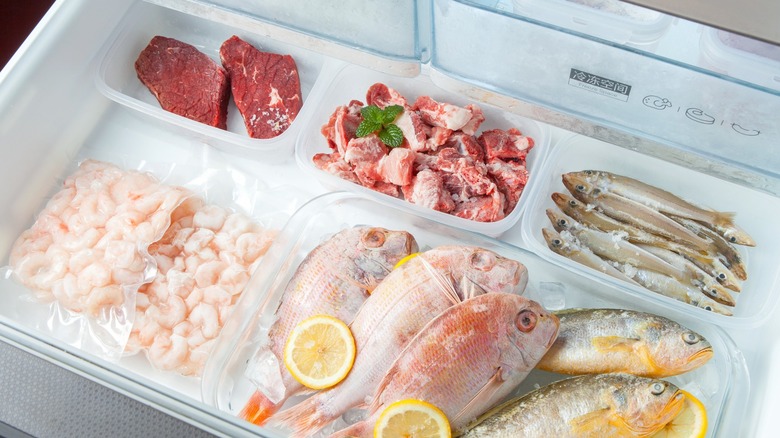 How Long Can Fresh Fish Be Kept In The Fridge | Detroit Chinatown
What about texture? After seven days, even if the fish is technically safe, it will be soggy. The moisture migrates, and the delicate flakes turn into a paste-like consistency. That’s not the restaurant-quality meal you remember. You’re not saving a gourmet experience; you’re just eating microwaved mush. Is that really worth the gamble?
I once met a chef who told me, “Fish is a guest, not a houseguest.” You welcome it warmly, enjoy it fully, and don’t let it overstay. The Japanese have a word, shun, which describes the peak moment of a food’s flavor. That moment is gone by day seven. You’re chasing a ghost.
If you decide to proceed, use the “one bite” rule. Take one small bite. Wait five minutes. If your body says “no thank you,” stop. Your gut microbiome has its own intelligence. Listen to it. A single bout of food poisoning can ruin your week, and it only takes a tiny dose of Listeria or Staphylococcus to do it.
Let’s end with a quick list of safer alternatives for that seven-day fish: turn it into fish patties by mixing it with breadcrumbs and an egg, then pan-frying until crispy. The high heat and added binders can mask texture issues. Or use it in a fish stew with tomatoes and garlic, simmering for 20 minutes. The acidity helps, and the long cooking time adds safety margin. But honestly? If you have to work that hard, maybe it’s not worth it.
Final reflection: cooking is an act of love, and leftovers are a promise we make to our future selves. But a promise kept too long becomes a burden. The fridge is not a time machine. It’s a pause button. After seven days, the pause has expired. The most caring thing you can do for yourself is to thank that fish for its service, toss it, and order takeout. There is no shame in starting fresh. Tomorrow is a new day for a new dinner, and your stomach will thank you for letting go.

