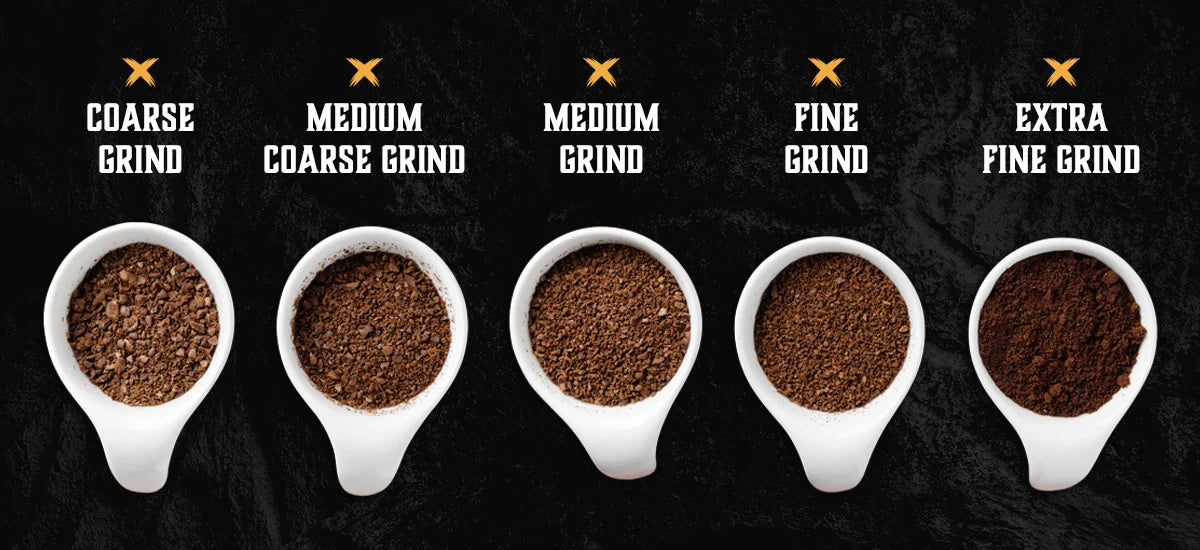
Think of a coffee bean as a tiny flavor vault. To open that vault, you need water to pull the good stuff out—oils, acids, caffeine. The grind size determines how fast that water can work its magic.
A coarse grind looks like rough sea salt or breadcrumbs—chunky, uneven, and full of personality. Because the pieces are big, water takes its sweet time moving through them. This is perfect for slow brewing methods.
On the flip side, fine ground coffee feels like powdered sugar or flour. It’s dense, almost dusty. With so much surface area exposed, water rushes in and extracts everything crazy fast. Think of it as the espresso’s best friend.
When to Go Coarse (And When to Run Away)
Coarse grounds are your go-to for French presses and cold brews. Because these methods involve long steeping times—4 to 12 hours for cold brew—you don’t want the water to get greedy. With coarse grounds, you get a smooth, bold cup without that bitter bite.
But here’s where it gets ironic. Use coarse grounds in an espresso machine, and you’ll get brown water that tastes like a sad tea bag. Don’t do it. The pressure just blasts right through those big chunks, extracting almost nothing. You’ll be left wondering why you spent $20 on beans.
The Fine Grind Life (It’s Not for Everyone)
Fine grounds are the star of espresso and Moka pots. The tiny particles create a dense puck that forces high-pressure water to pull out intense, syrupy flavors. It’s like a flavor bomb in a tiny cup. But—and this is a big but—fine grounds are super sensitive.
Brew them for even one minute too long, and you’ll get a cup that tastes like burnt rubber and asphalt. I’ve been there. It’s not a fun morning. Plus, fine grounds slip through paper filters and metal mesh like ninjas, making your coffee gritty. Thank you, but no.