Imagine a flour that has been to a spa, exfoliated, and left feeling impossibly light. That’s cake flour. It’s milled from soft wheat, which naturally has less protein than the hard wheat used for bread.
Low protein means low gluten. Gluten is that tough, elastic network that gives bread its chew, but in cakes, it’s a party pooper. Cake flour typically clocks in at 6–8% protein, while all-purpose sits around 10–12%.
Because it’s finely ground and often bleached, cake flour absorbs more liquid and fat. This creates a tender, velvety crumb that makes for ethereal vanilla layers or the perfect chiffon cake.
Fun fact: Bleaching used to be done by aging flour naturally for months. Today, it’s a chemical shortcut that also helps cakes rise higher and hold their shape. That pale, powdery look? It’s not ghostly—it’s genius.
How to Spot It & Swap It
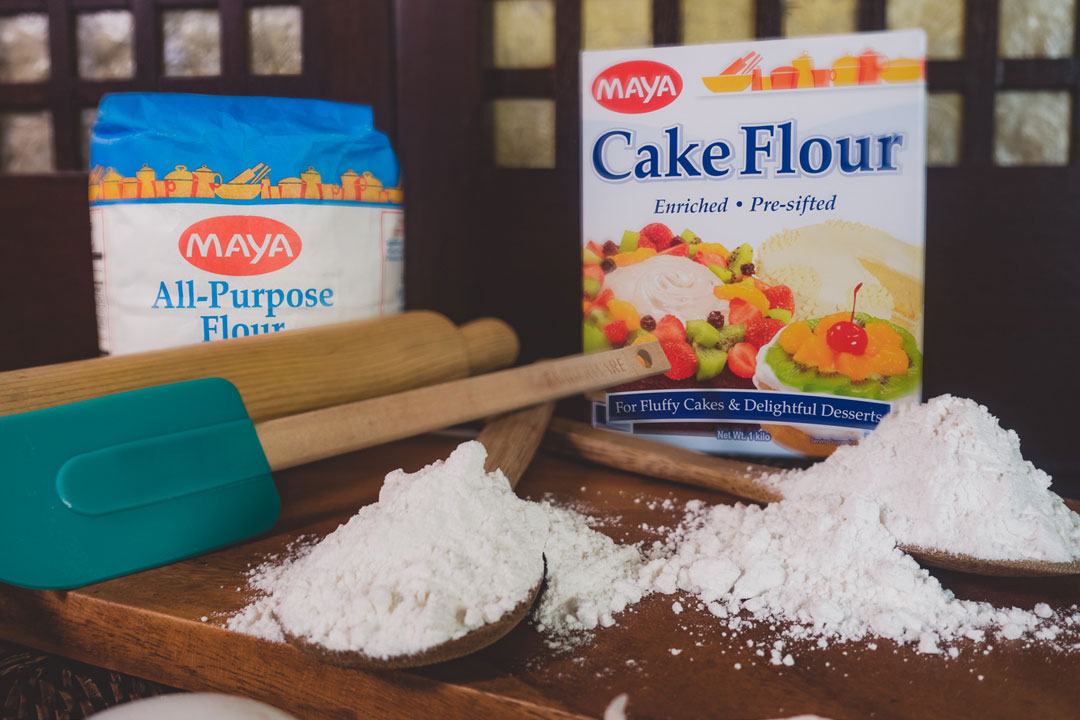
Cake flour is usually sold in boxes (like Swan’s Down or Softasilk) in the baking aisle. If your supermarket hides it, don’t panic: you can DIY using all-purpose flour and cornstarch.
The magic ratio: for every 1 cup of all-purpose flour, remove 2 tablespoons and replace with 2 tablespoons of cornstarch. Sift it at least three times to aerate. No, you’re not being fussy—you’re being precise.
But remember: this swap is for emergencies only. Real cake flour gives you a lift and tenderness that a hack can only approximate. Your grandma’s birthday cake deserves the real deal.
 Baking And Cake Flour