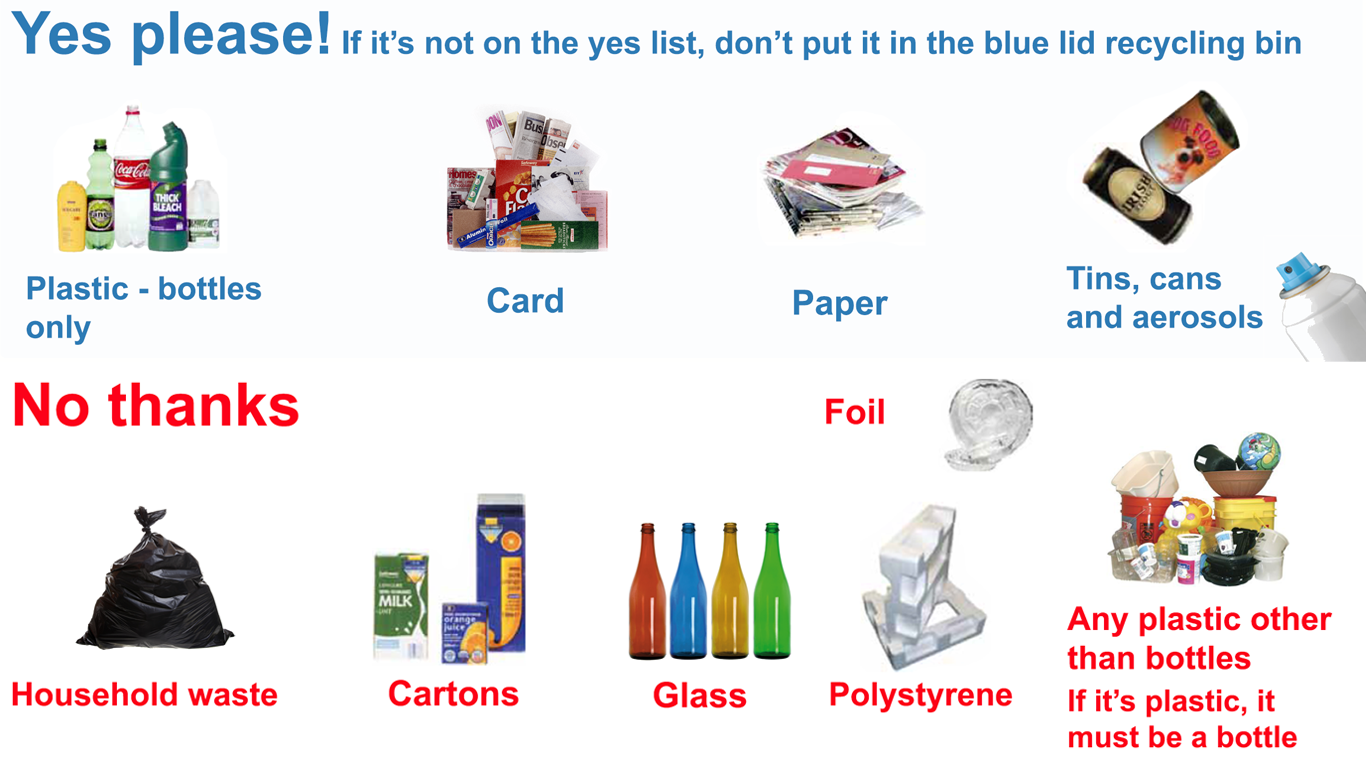
First up: pizza boxes. We know, we know—they’re cardboard, so they seem like a no-brainer for recycling. But here’s the greasy truth: once that box soaks up cheese oil and tomato sauce, it becomes a contaminant nightmare.
Recycling mills need clean fibers, and a single grimy pizza box can ruin an entire batch of paper. The binmen advise you to tear off the clean lid (that gets recycled) and toss the soiled base into the trash.
Another offender? Plastic bags. You might think bagging your recyclables is helpful, but it’s actually a logistical disaster. Those flimsy grocery sacks jam the sorting machines, causing costly shutdowns at recycling facilities.
Plus, most curbside programs cannot process film plastics—they belong to special drop-off bins at your local supermarket. Pro tip: dump your recyclables loose into the bin, and reuse those plastic bags for dog duty or small trash can liners instead.
The Surprising “Do Not Recycle” List
Here’s a curveball: coffee cups. Your morning latte comes in a paper cup, but it’s lined with a thin layer of plastic to prevent leaks. That lining makes it nearly impossible to recycle through standard municipal systems.
Only about 1 in 400 coffee cups actually gets recycled, according to some waste audits. The binmen say to skip the guilt and just toss them in the general trash—or, better yet, invest in a reusable mug. Your future self and the planet will thank you.
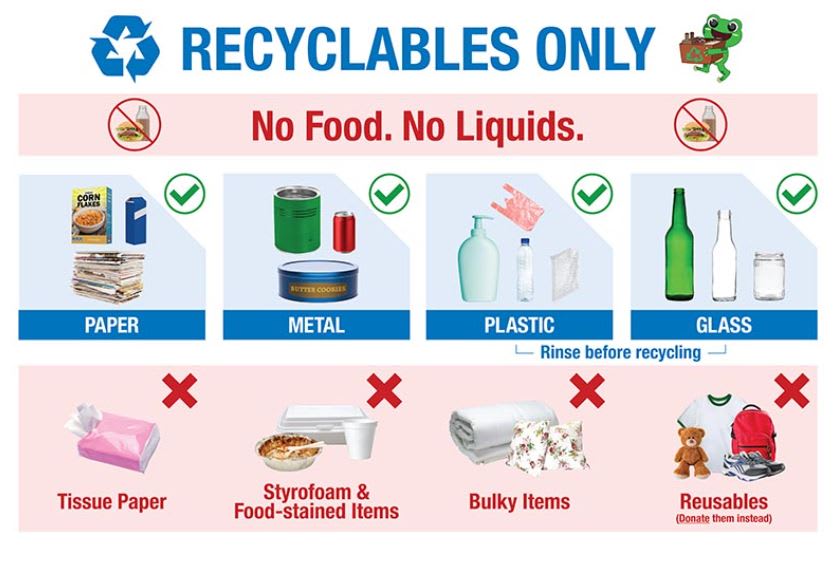 Recycling 101: What can you toss in the blue bin and what happens after
Batteries are another silent saboteur. Tossing a lithium-ion or alkaline battery into the recycling bin is a fire hazard waiting to happen. When crushed by a compactor truck, batteries can spark, igniting entire truckloads of waste.
Fun fact: one overheated battery led to a blaze that shut down a major recycling plant in California for a week. Always bag and label batteries separately, and take them to designated household hazardous waste drop-offs.
Little Things That Cause Big Headaches
Think small: bottle caps, twist ties, and shreds of paper. Metal caps from glass jars are too tiny to be captured by sorting screens, so they end up contaminating glass cullet. Remove them before recycling the jar—or better yet, recycle the jar but toss the cap.
Shredded paper is a similar menace. Its short fibers are too weak to make new paper, and the fine shreds slip through the sorting machinery, gumming up filters. Your binmen prefer you compost shredded paper or use it as packing material, then recycle it only if bundled in a paper bag.
And please, for the love of all things tidy, no syringes, sharp knives, or broken glass tossed loosely in the bin. These cause injuries to collection workers—a very real, very painful hazard. Wrap sharps securely, label them clearly, and dispose of them via medical waste programs.
 Which Bin Do I Use The Art Of Recycling In The Netherlands

