
Let’s give credit where it’s due. Every legitimate RO system does use the same basic physics: it pushes water through a semi-permeable membrane to remove dissolved solids, heavy metals, and other nasties. That membrane is the heart of the operation, and it’s pretty consistent across brands when it comes to the raw rejection rate.
But here is where the irony kicks in: thinking the membrane is all that matters is like thinking a hamburger is just the patty. You’re forgetting the bun, the toppings, and the grill temperature. A cheap RO system might strip out the bad stuff, sure, but it might also strip out the good stuff—or worse, let bacteria build up in its own guts.
Stage Fright: The Pre-Filter and Post-Filter Game
The biggest difference between a $150 system and a $700 system is the staging. A basic unit might have just one sediment filter and a carbon block before the membrane. That’s it. It’s like sending a marathon runner out in flip-flops—it works, but everything gets tired fast.
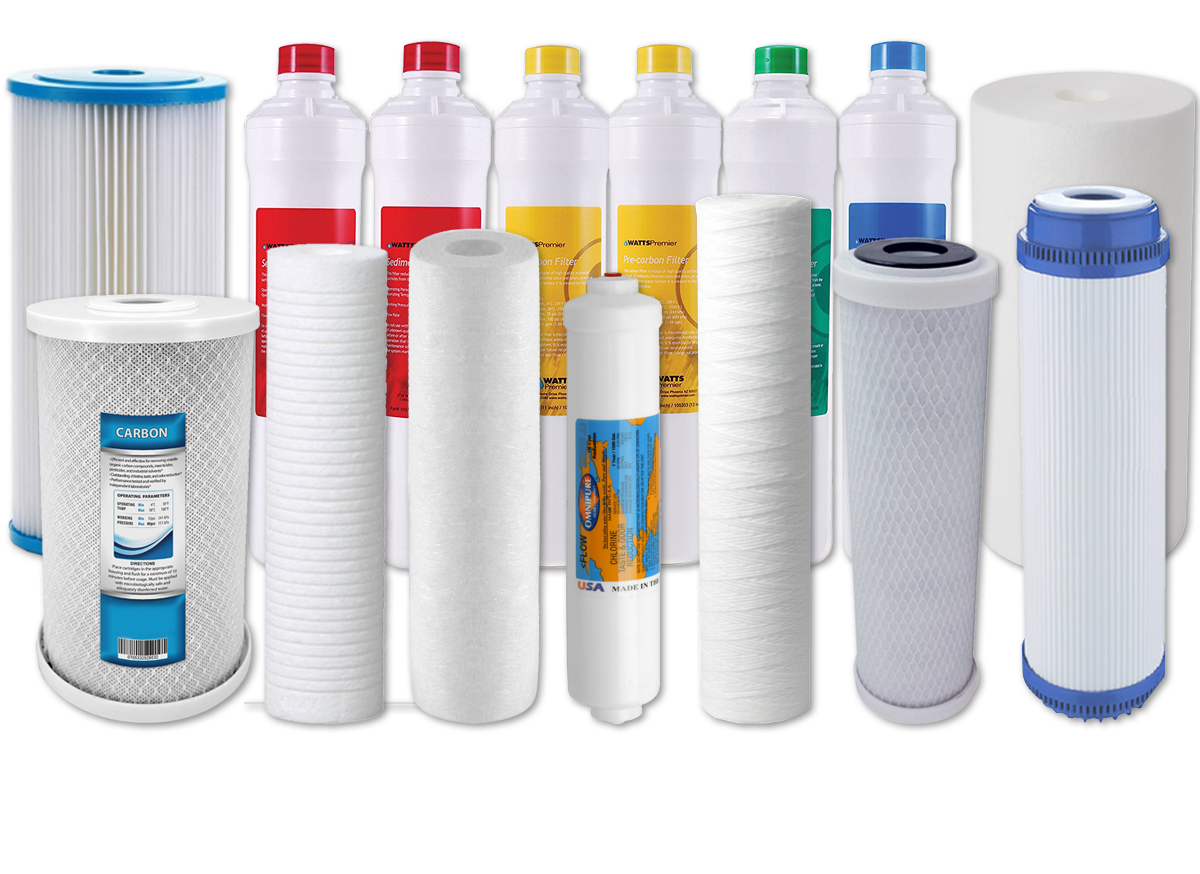
Better systems pack in a multistage pre-filter. You’ll see a sediment filter, then a granular carbon filter, then a carbon block. Each stage targets a different enemy: rust, chlorine, volatile organic compounds (VOCs), and that weird taste you get from city water. These stages protect your expensive membrane so it lasts longer.
Then comes the post-filter. This is the secret sauce. Many cheap RO filters leave your water tasting a little flat, even “dead.” A quality post-filter adds a beautiful final polishing step—often a carbon polishing filter or a remineralization cartridge that puts back a tiny bit of calcium and magnesium. Your water goes from “window cleaner” to “crisp mountain spring.” Karen’s problem? Her system had no post-filter, so the water was too pure, which somehow lets those weird “fridge” flavors back in.
Flow Rate and the “Drip, Drip, Drip” Reality
You know that annoying sound of a slow drip? Some RO systems are famous for it. The standard home unit produces about 50 gallons per day (GPD). That sounds like a lot until you realize it takes two minutes to fill a single glass. Good luck making pasta water.
High-end systems use a permeate pump or larger membrane to boost flow to 100, 200, even 400 GPD. They also store the water in a pressurized tank, so you get a steady stream instead of a pathetic trickle. It’s the difference between a kitchen faucet and a fire hydrant. Do you want to wait or do you want a drink?
The Waste Water War: How Thirsty Is Your Filter?
Here’s a dirty little secret: reverse osmosis wastes water. Every gallon of purified water, a standard system might flush 3 or 4 gallons down the drain. That’s a lot of water bills to swallow. Not all systems are created equal here.
 Reverse Osmosis Superstore
Some modern units—like those with a low rejection membrane or a unique flow restrictor—cut that waste ratio down to 1:1. You get one gallon of clean water for every gallon of waste. That’s a 75% reduction in water waste. It’s environmental bragging rights and a lighter wallet. Karen’s system was an old-school 1:4 guzzler. No wonder she also noticed her water bill creeping up.
The Chloramine Conundrum
Most municipalities now use chloramine to disinfect water—a harsh chemical that standard carbon filters struggle with. A basic RO system will simply fail to remove it, leaving a harsh chemical aftertaste. Better systems include special catalytic carbon filters designed specifically to break down chloramine.
If you live in a city that uses this stuff (and many do), your budget RO system might be a waste of money. You won’t know until you taste that chemical burn in your tea. Check your local water report first. Trust me.
Filter Replacement: The Hidden Cost
Cheap systems love to lure you in with a low upfront price—then hit you with $80-a-pop filter cartridges that you have to change every three months. Meanwhile, a premium system might use standard-sized filters that cost $30 and last six months. The math doesn’t lie: the cheapest filter is often the most expensive one over two years.
Also, consider the ease of change. Some models require pliers, swearing, and a small ritual sacrifice to replace the filters. Others use a simple push-and-twist design that takes 30 seconds. “User-friendly” is a feature, people. Life is too short to fight with your water filter.

