
Let’s play detective, but without the magnifying glass (unless you want to look cool). The most common culprit? Lack of consistency. At seven months, your pup is in the “adolescent rebellion” phase. They know where to go, but sometimes they just forget because they saw a squirrel or a dust bunny.
Another sneaky reason: medical issues. A urinary tract infection (UTI) can turn your well-behaved puppy into a leaky faucet. If the accidents are sudden, frequent, or involve tiny puddles, call your vet. It’s not dramatic—it’s smart.
And let’s not forget overexcitement. Your puppy might get so hyped up playing fetch or greeting you at the door that their bladder just… gives up. It’s like when you laugh so hard you almost pee yourself, but they actually do it. Rude.
Step 1: Rewind to basics (without the shame)
Go back to the schedule you used when they were a tiny potato. Take them out every hour, even if they don’t seem to need it. Yes, even during your favorite Netflix show. Yes, even when it’s raining. You are not a servant; you are a hero in a raincoat.
Praise them like they just won a gold medal when they pee outside. Throw a party. Use your silliest happy voice. “GOOD POTTY!” If they go inside, don’t yell. Just clean it up with an enzymatic cleaner (the kind that eats the smell, not just covers it up). If they smell even a hint of old pee, that spot becomes a designated bathroom.
 Puppy Potty Training 101: Your Path to Housebreaking Success
Also, crate training is your best friend. Puppies rarely want to poop or pee where they sleep. If you haven’t used the crate lately, bring it back. It’s not a punishment; it’s their cozy den. Plus, it buys you time to binge-watch without fear.
Step 2: Watch for the secret signals
Does your puppy suddenly sniff the floor in circles? That’s not a new dance move. That’s the “I’m about to launch a water attack” signal. Also, look for: sudden pacing, whining, or heading toward the door. Act fast. When in doubt, scoop them up and run outside. You might look silly, but you’ll be a dry, triumphant silly.
And here’s a little trick: take them out after every exciting event. After naps, after meals, after playtime, after a good belly rub. Basically, after anything that isn’t sleeping in a boring room. Bladders are tiny tanks—they fill up fast.
Step 3: Don’t take it personally
Your puppy is not “getting back at you” for leaving them alone for two hours. They don’t have a tiny revenge notebook. They’re just… puppies. They have the memory of a goldfish and the bladder of a balloon. Forgive them. Forgive yourself. Accidents happen.
If you catch them in the act, make a loud but not scary noise (like “Ah-ah!”) to interrupt, then rush them outside. If you find a puddle later, do not rub their nose in it. That’s old-school and scientifically proven to confuse them. They’ll just think you’re weird, which you are, but in a nice way.
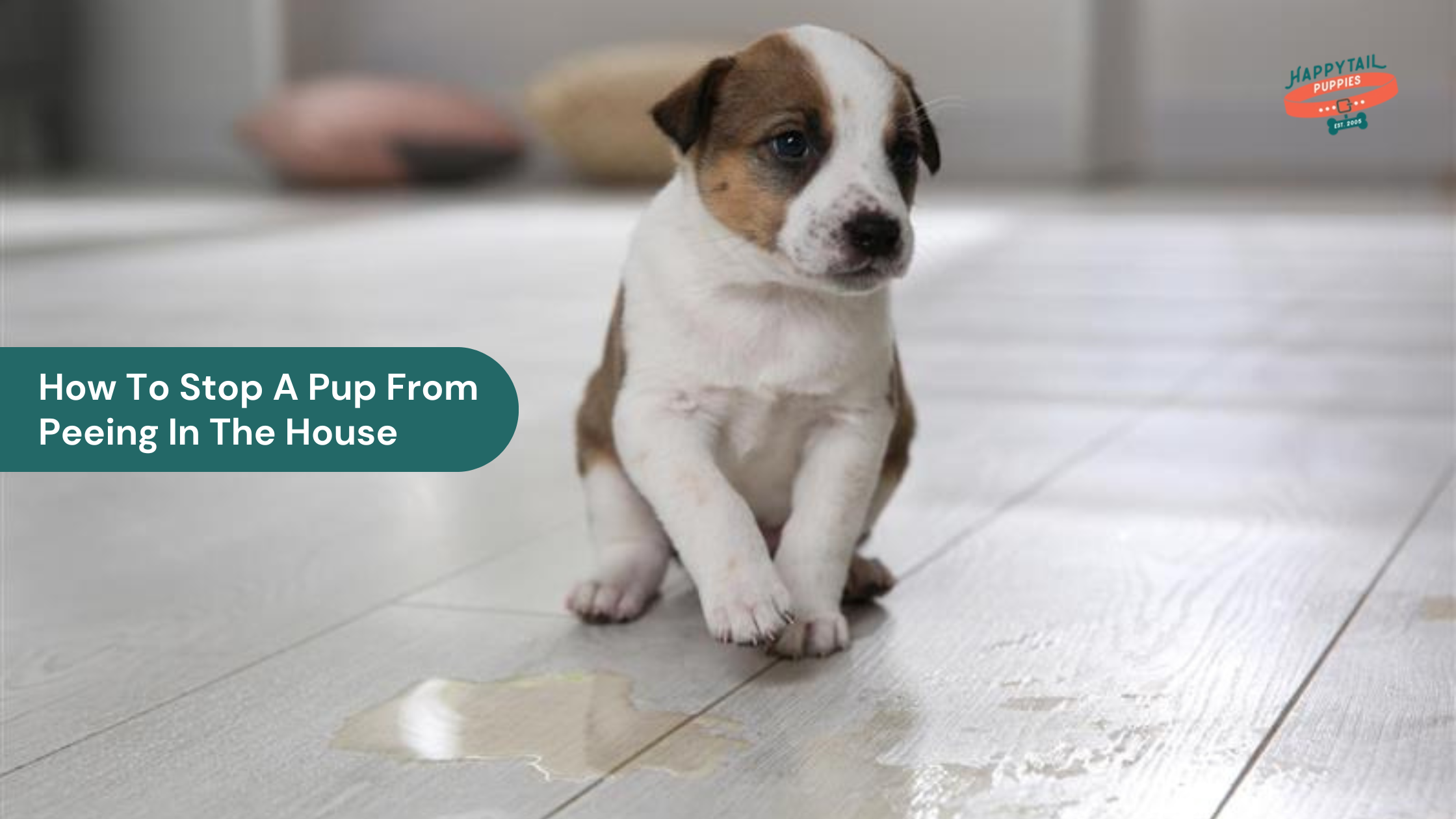 How To Stop A Pup From Peeing In The House

